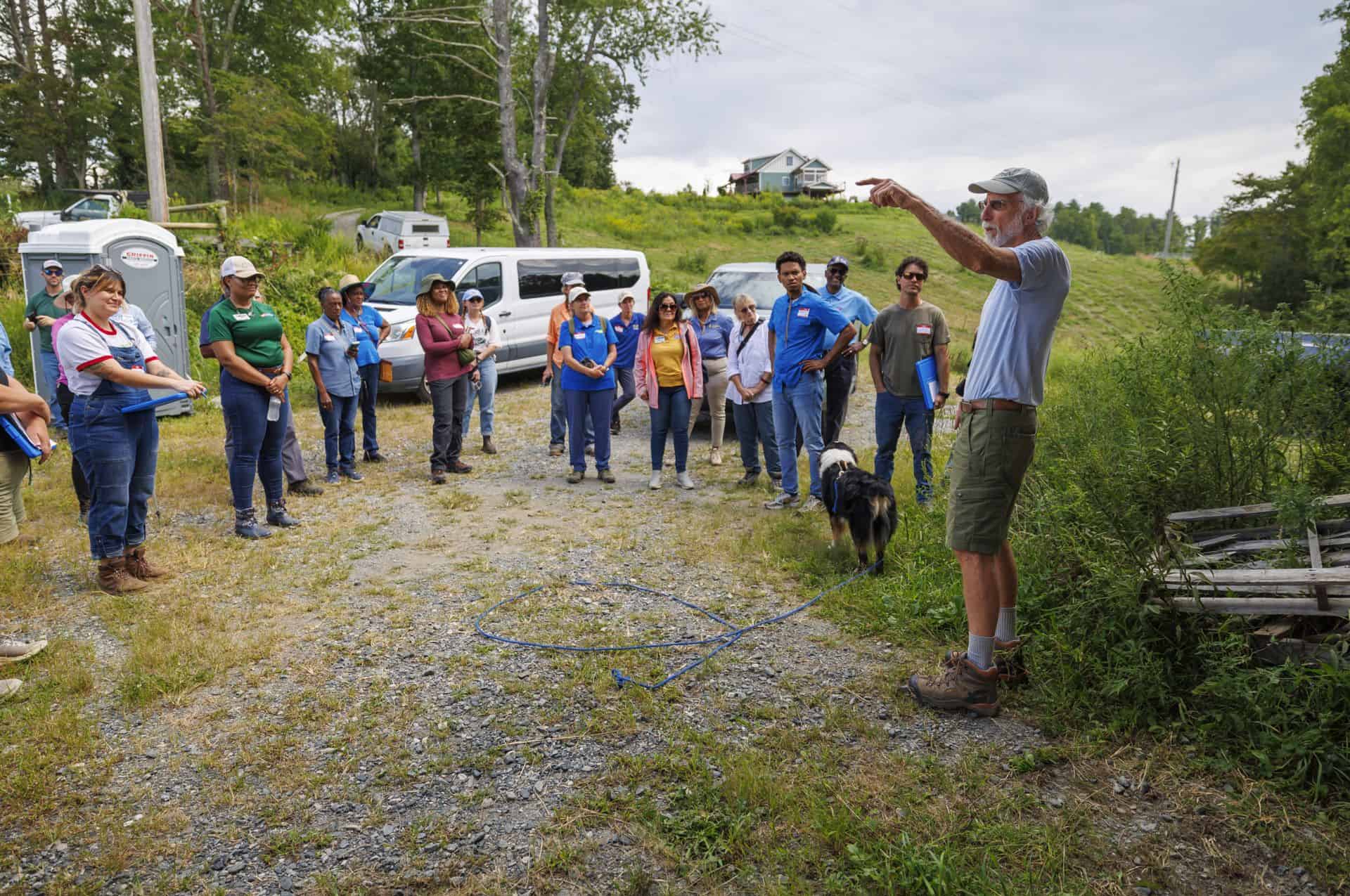
Madonna Witte thought she would be asking a lot of questions while on a two-day tour of western North Carolina farms organized by Cooperative Extension at N.C. A&T.
“I thought for sure that I would have a thousand questions, and what I have found is that I am listening more and more,” said Witte, of Hertford County, who was contemplating starting her own farm. “I hear conversations and I hear questions and answers that talk about topics that I didn't even know were a thing.”
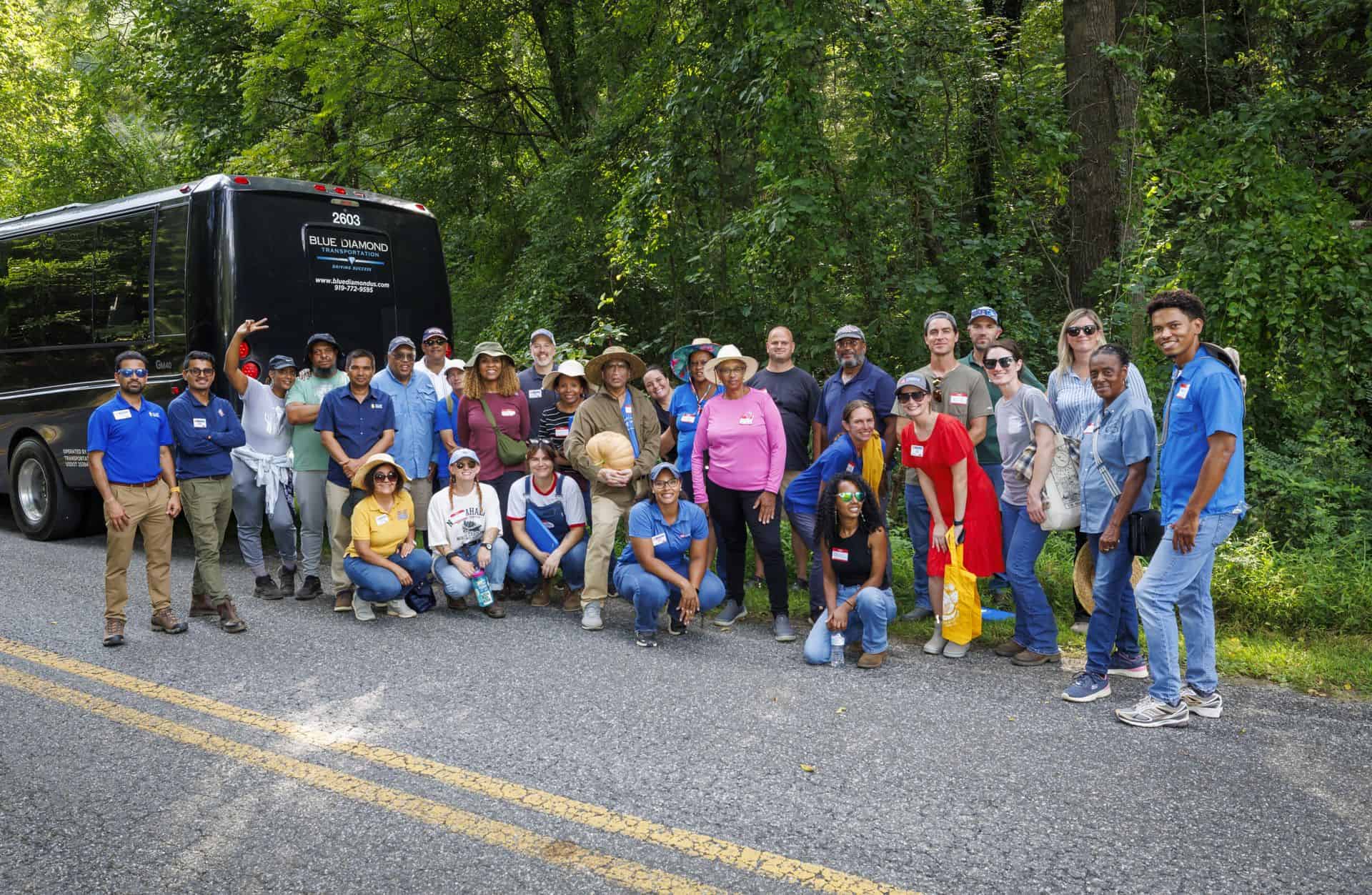
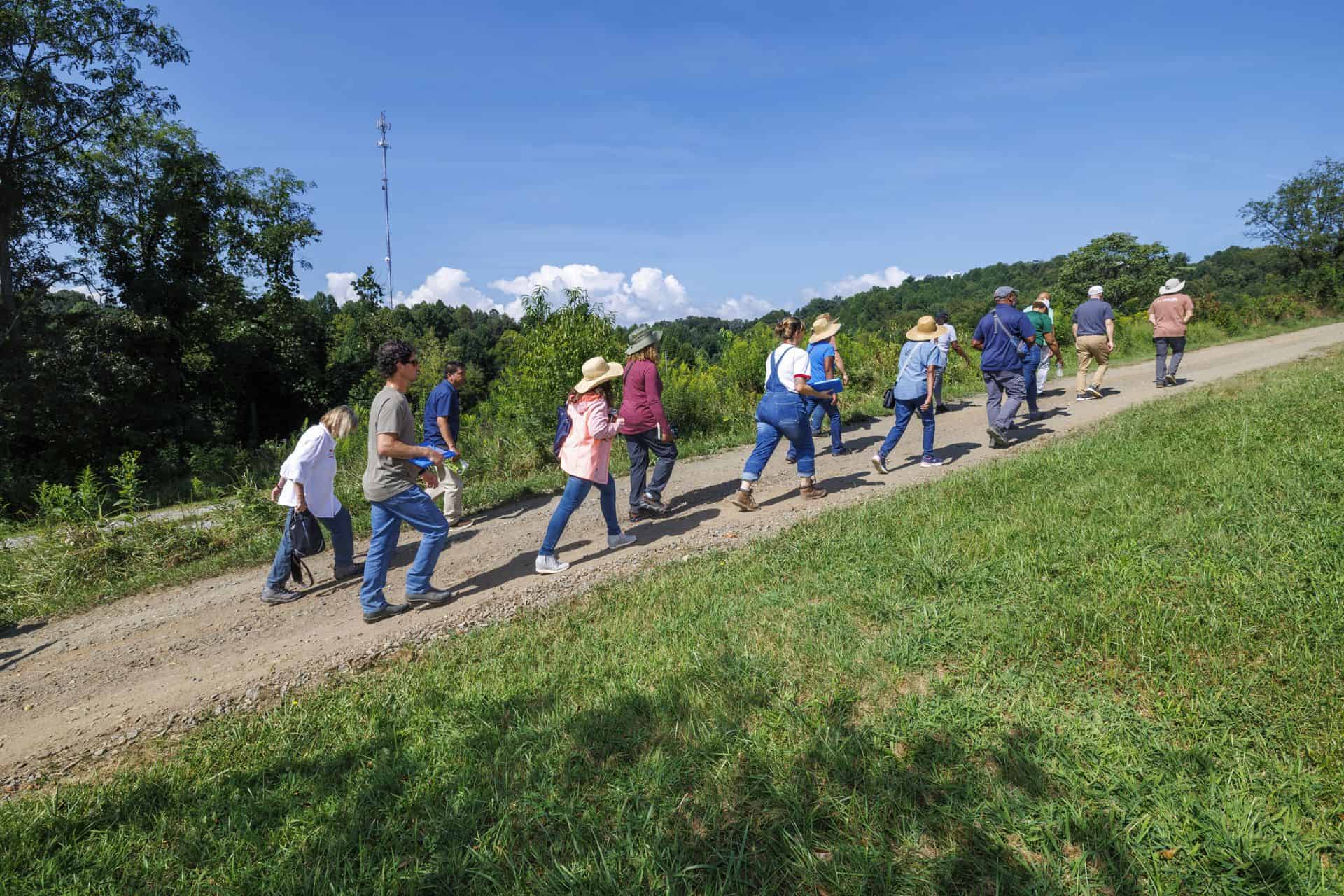
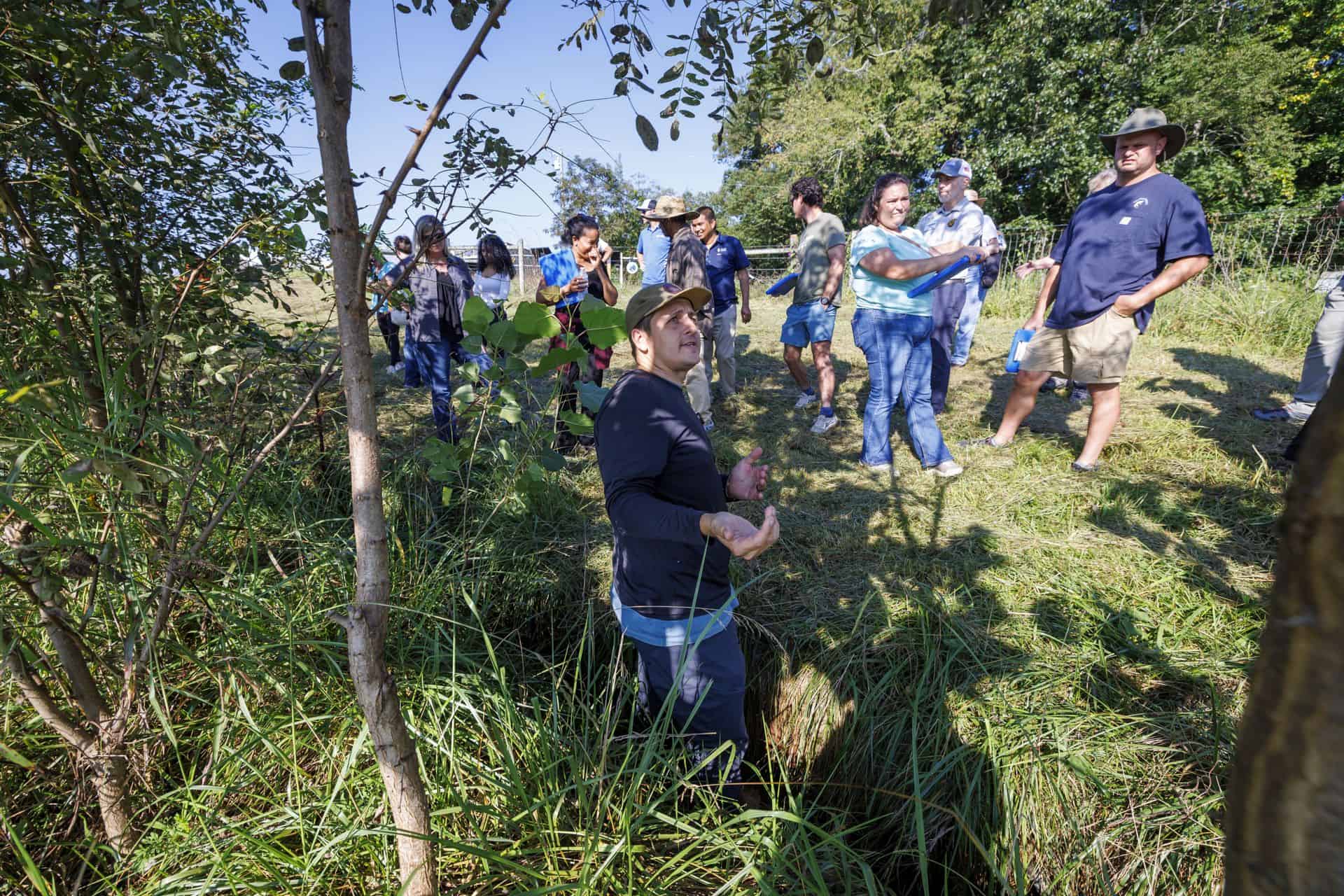
About 20 farmers attended the 2026 Farmers’ Road Trip — Sustainable and Organic Bus Tour on Aug. 31 and Sept. 1, said Biswanath Dari, Ph.D., an assistant professor and natural resource specialist.
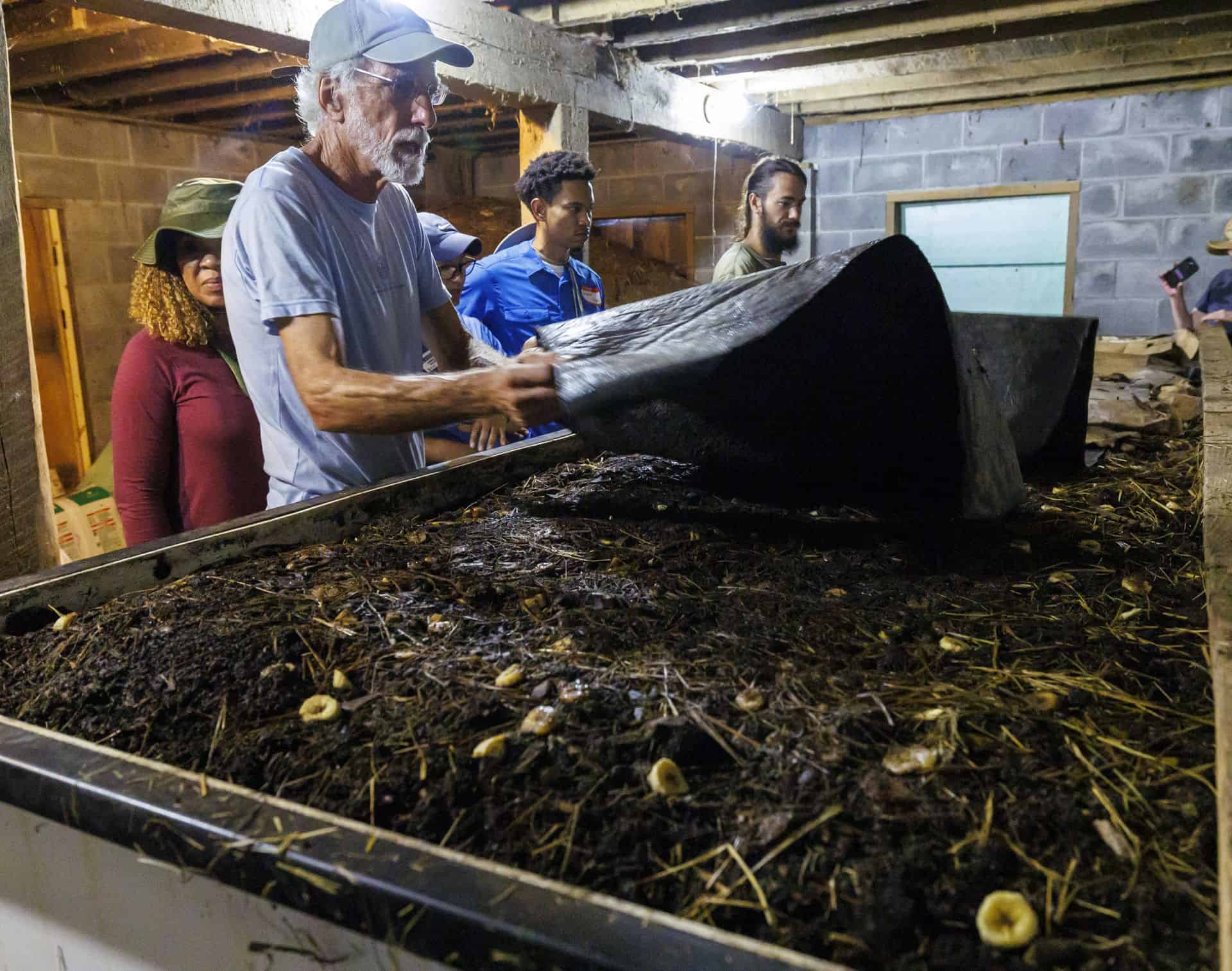
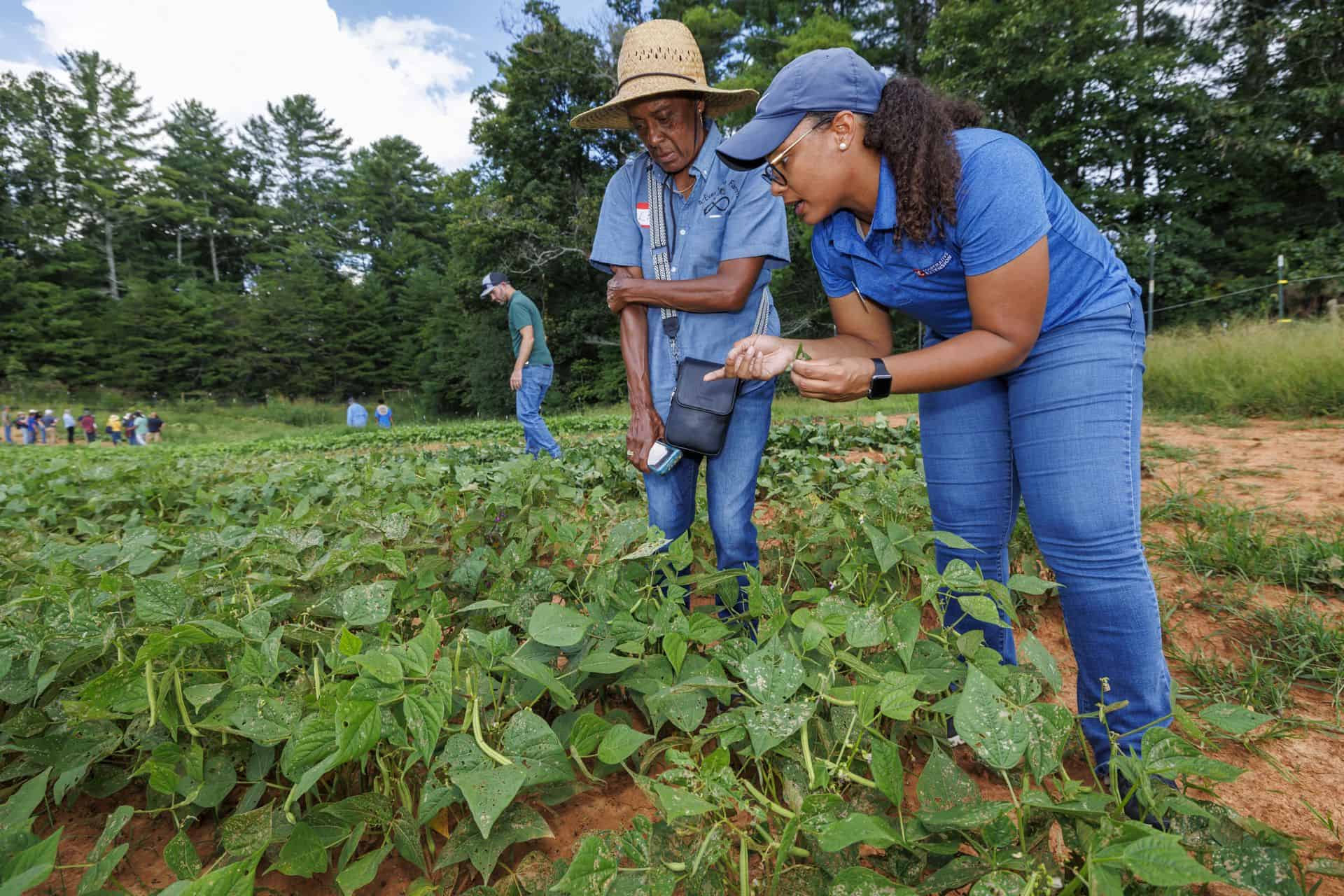
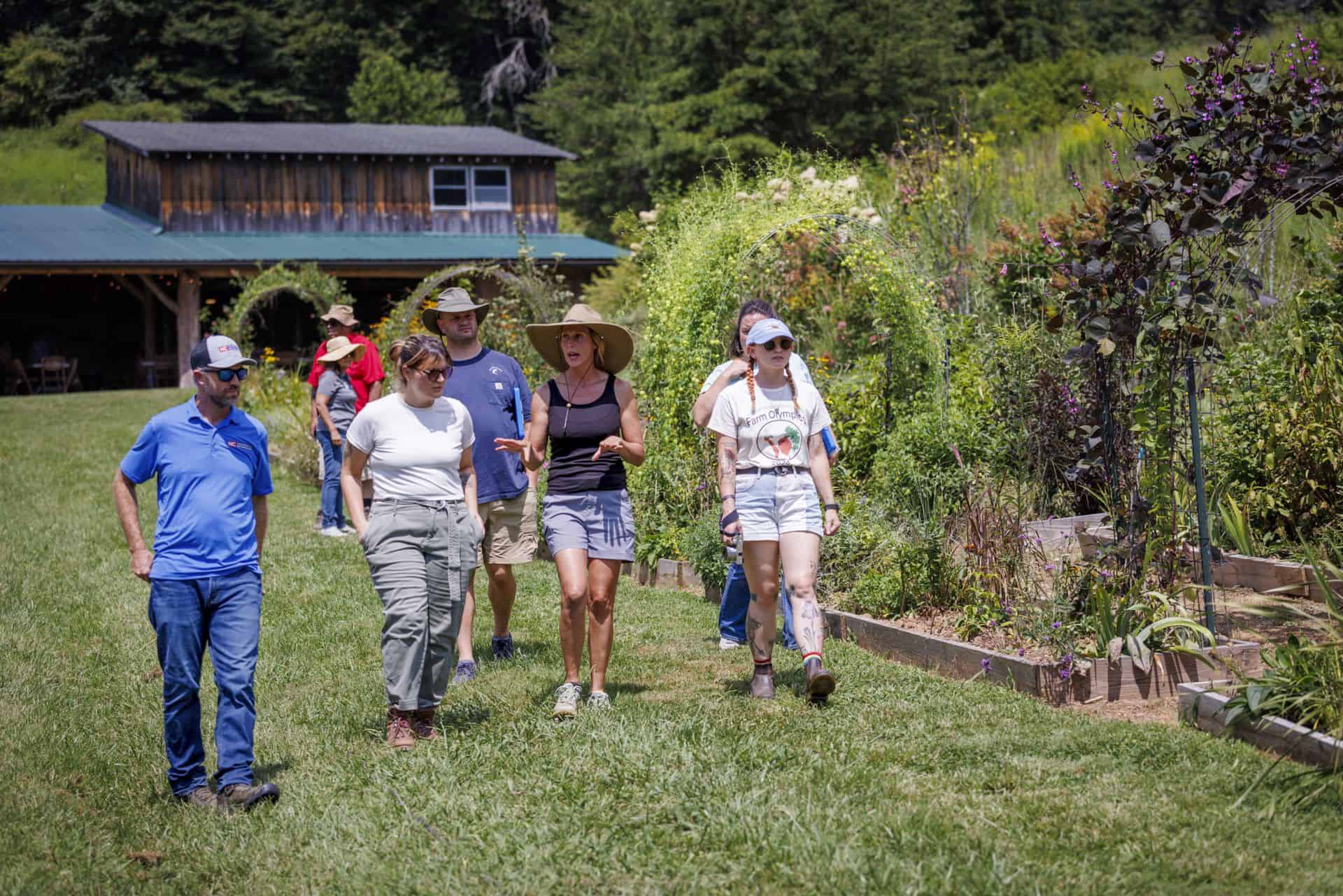
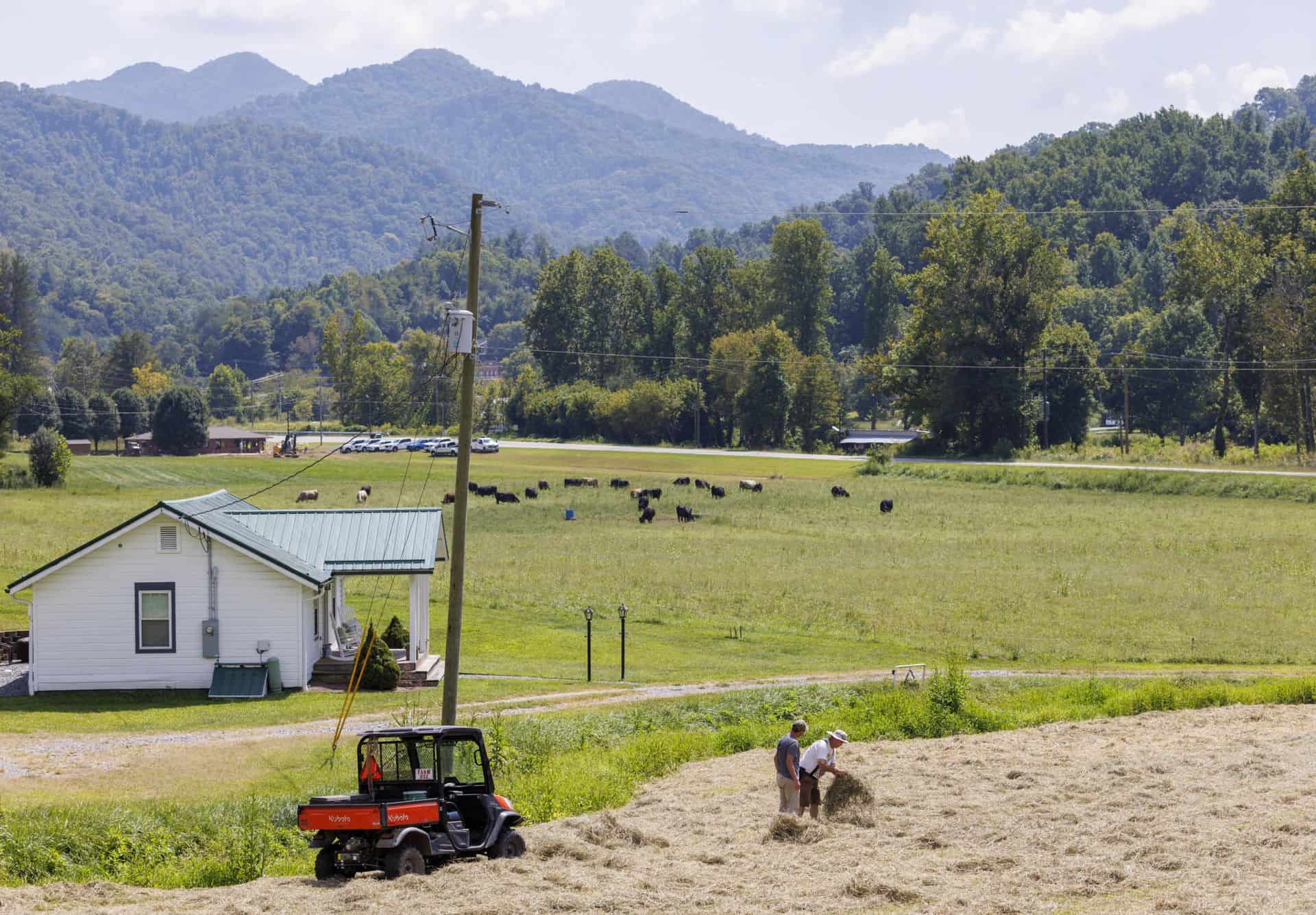
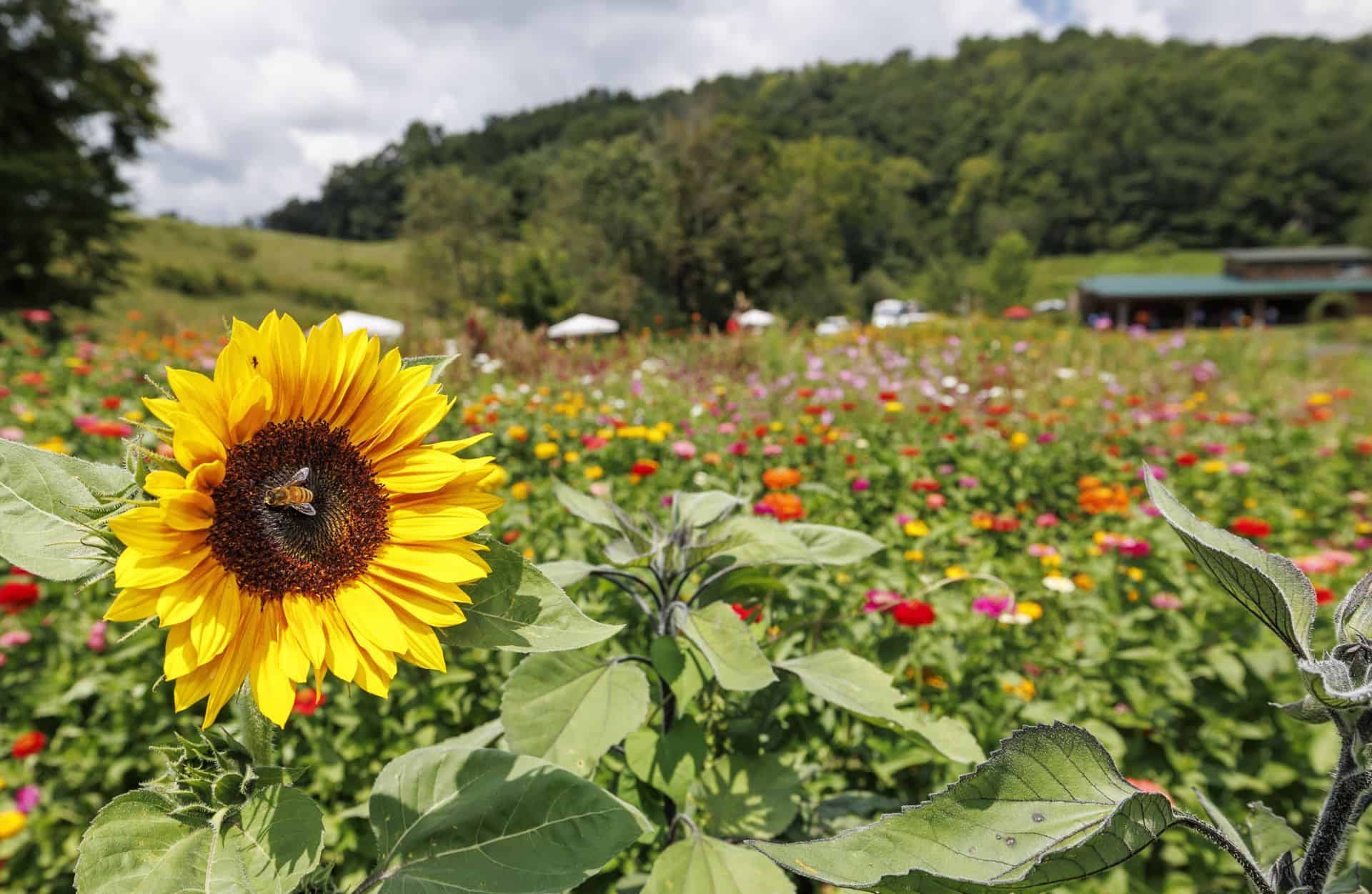
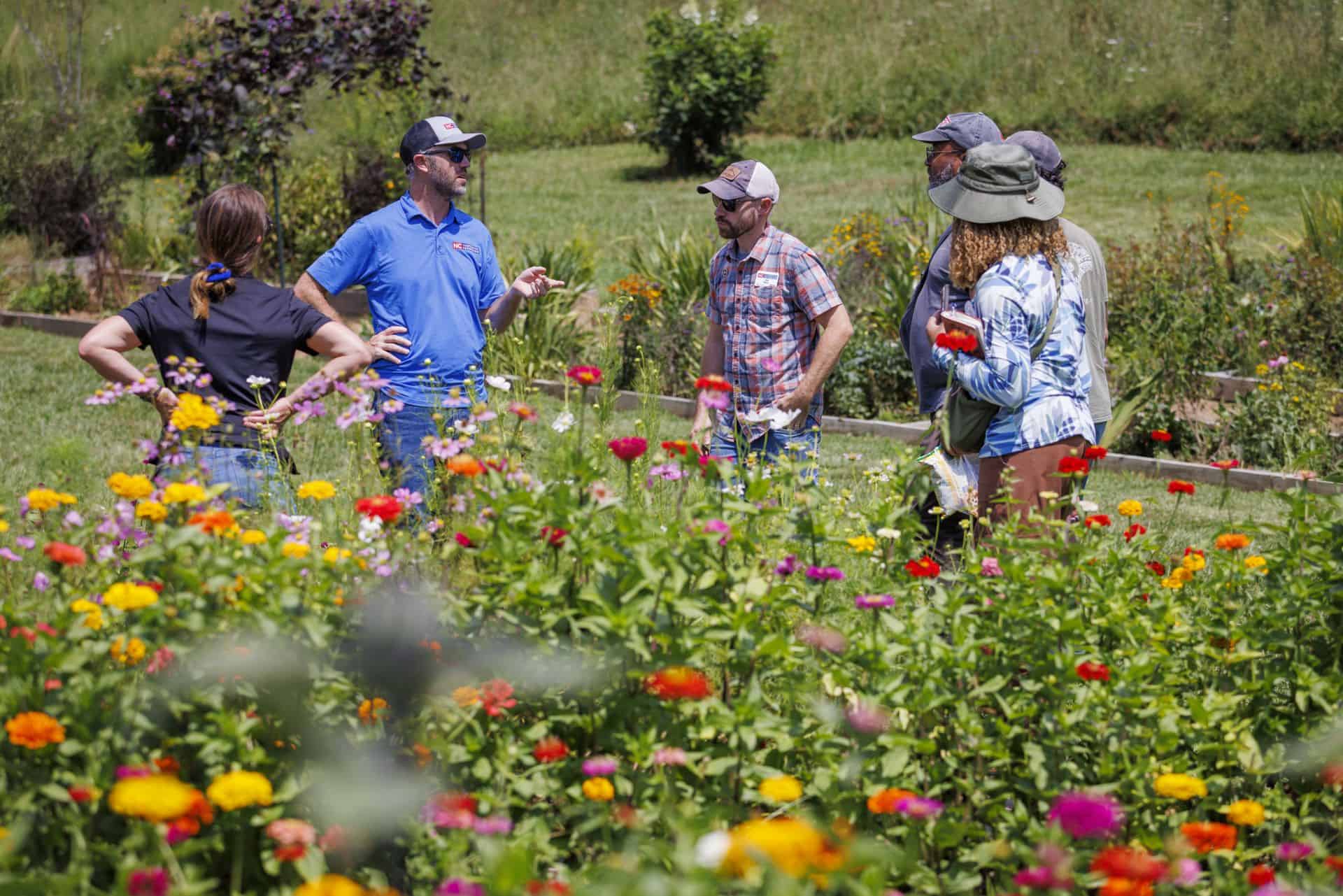
Dari is among six Extension professionals who organized the third annual event, which toured farms in Madison and Buncombe counties. Host farms included: Spinning Spider Creamery (goat dairy), Nowhere Branch Farm (cattle and vermiculture, or worm farming), Oak Holler Farm (vegetables), Southern Appalachian Highlands Conservancy Community Farm (education site and working farm), Gaining Ground Farm (cattle, chickens and vegetables), The Never Ending Flower Farm (you-pick flowers) and Burley Stick Farm (cattle).
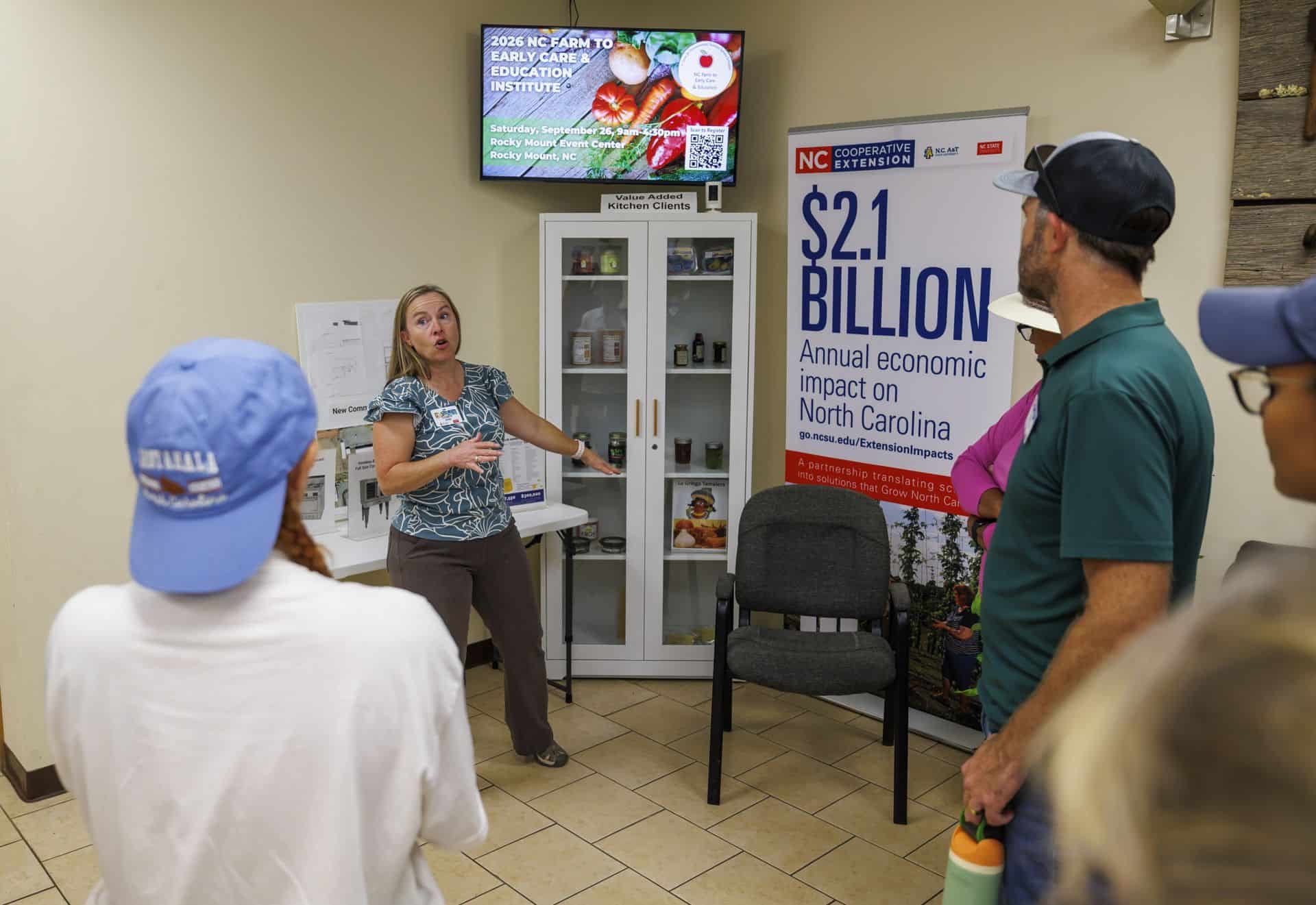
The tour also included Dirtcraft Living Soils, which produces organic soil and compost, as well as the value-added community kitchen at the Madison County Extension Office.
“We’re closing the loop, bringing all the farmers in the western part of North Carolina," Dari said of this tour, noting previous tours iwere in the more urban part of the state, near Durham, and in eastern North Carolina. “Different strategies are needed to do farming and farm business there.”
That variety appeals to Shonda and Malcom James of James Family Farm, which is Martin County near the coast. “I love to see what they do and how they do it, as opposed to how we do it,” Shonda James said.
“You always learn something different that kind of sparks your interest,” Malcom James said. “It gives you something else to look at besides what you’re already doing.”
Dana Stauffer, Extension agent for small farms and alternative agriculture in Madison County, co-organized the tour “I saw a lot of numbers and cards being exchanged, so I hope that there might be some long-term connections between growers in the east and growers here in the mountains,” she said.
Hannah Talton, D.P.M., assistant professor and Extension specialist of plant pathology and integrated pest management, said the tour also sheds light on farmers directly affected by Hurricane Helene.
“We’re seeing how they’re recovering and how they’re using each other and leaning on each other to actually keep moving forward as small farmers,” said Talton, a co-organizer of the event.
Aaron Grier of Gaining Ground Farm said the tour gives a good sense of community. “We get to share and learn from the different experiences that each other has had and share resources,” Grier said. “And just feeling like we’re not out here doing it all alone. You can tell when folks are actually interested and they’re wanting details ... so that feels good.”
Dirtcraft Living Soils was among the stops Charlene Jones of JNL Farm and Garden in Halifax County enjoyed. “It was really, really neat how they developed the different types of compost and the types of steps that you had to go through to get the finished product,” she said.
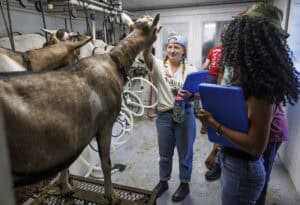
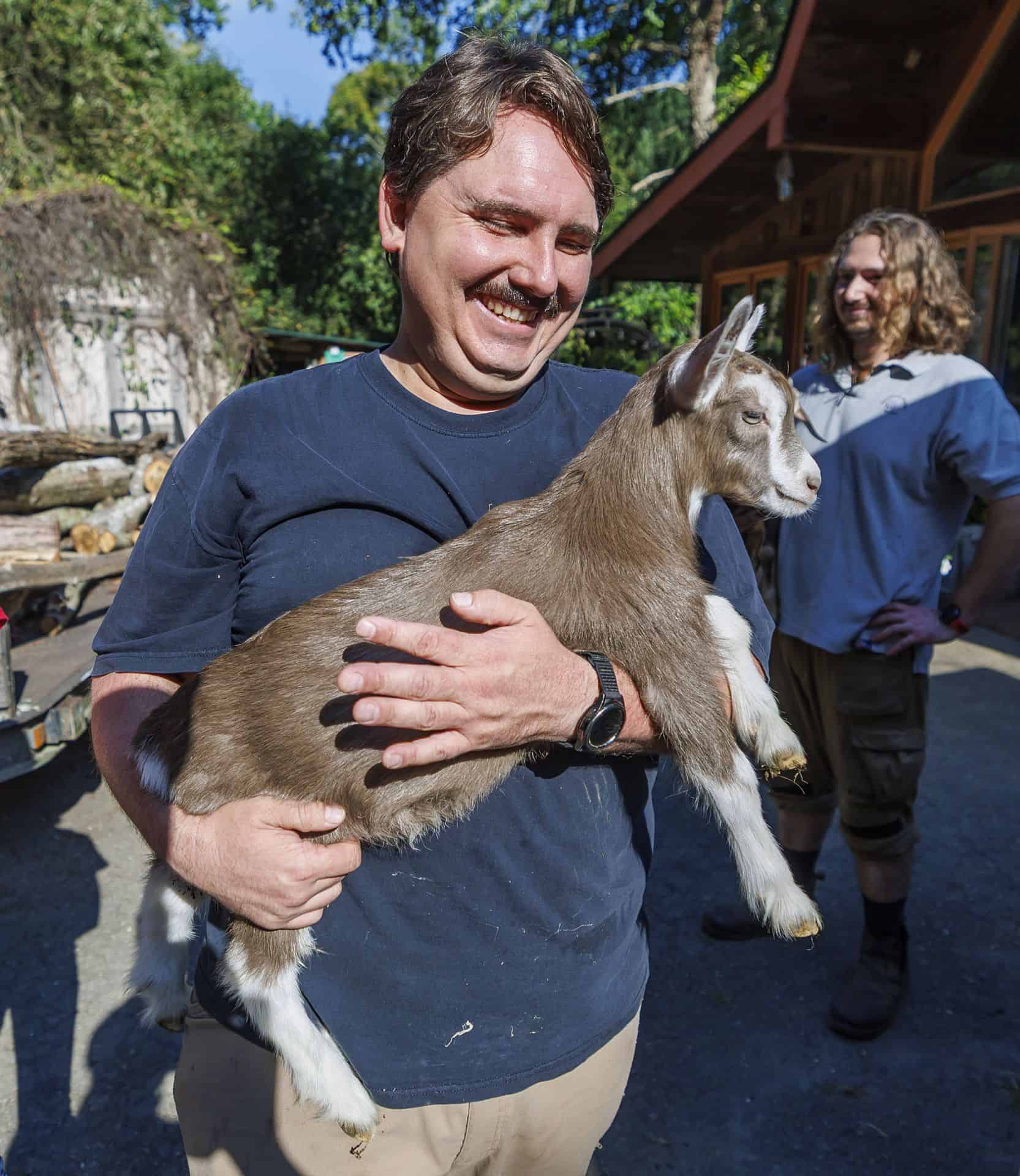
Sydney Copeland pets a goat at Spinning Spider Creamery on the 2026 Sustainable and Organic Bus Tour in Madison County.
The tour was sponsored by Southern Sustainable Agriculture Research & Education (SARE) and the U.S. Department of Agriculture’s Southeast Center Transition to Organic Partnership Program (SE TOPP). Wallis, Bowens, Averhart & Associates, a Raleigh law firm, also offered individual participants free estate planning and deed preparation at the hotel after the first day’s tour.
As for Witte, she said the tour convinced her to pursue her interest in growing mushrooms. “I realized that there’s so much available if only I reach out,” she said.