A new award from USDA’s National Institute of Food and Agriculture (NIFA) means the NC AgrAbility Partnership, led by Cooperative Extension at N.C. A&T, will be able to move forward and expand its work with farmers dealing with physical or mental disabilities. The award is expected to increase to $720,000 over four years.

Cook Marshall, Ph.D.
The AgrAbility Program was launched in 1991 by NIFA to assist farmers and farmworkers struggling to remain in farming because of mental or physical conditions. The program also assists veterans entering into production agriculture. With this grant, North Carolina AgrAbility rejoins the National AgrAbility program.
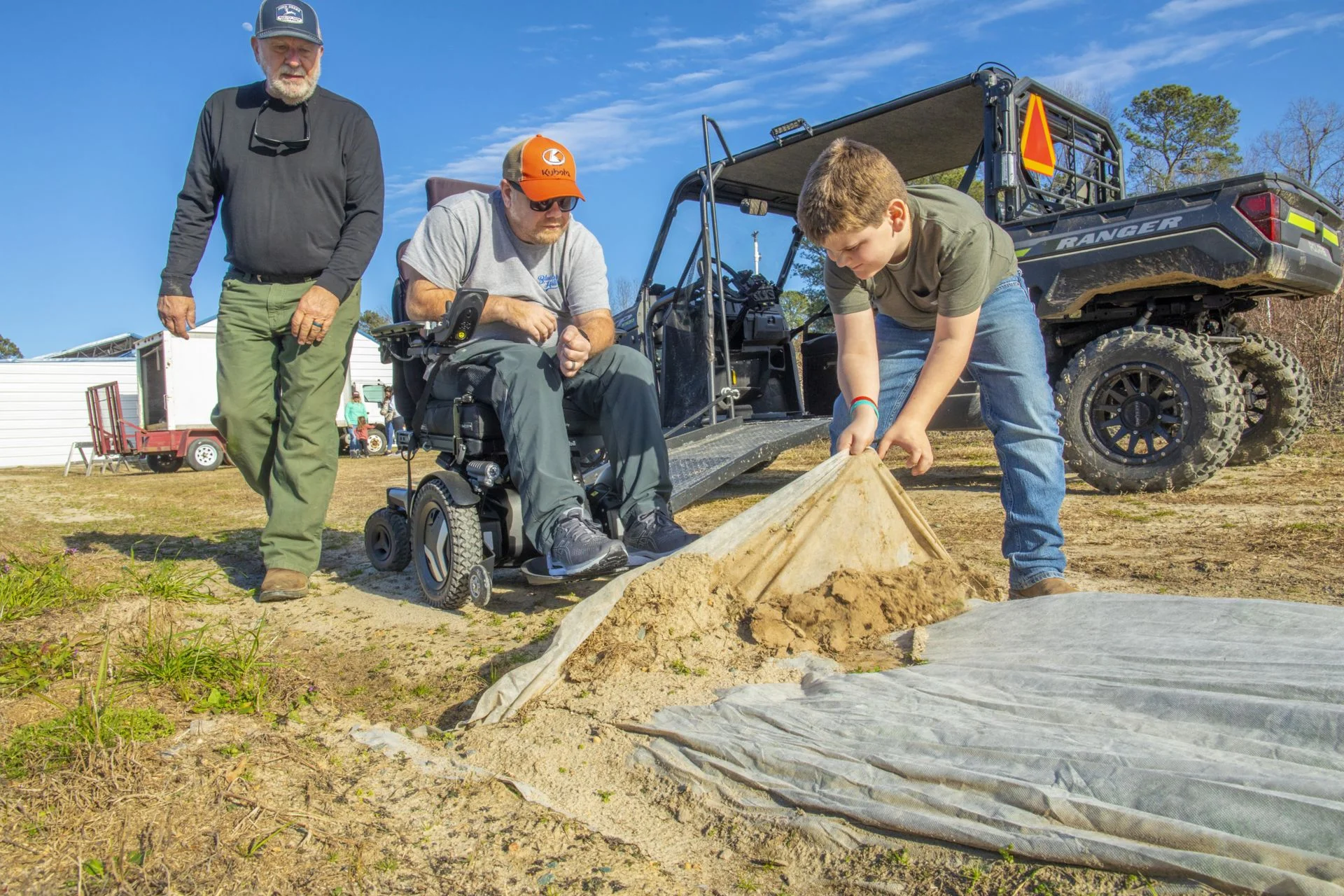
Open to farmers, agricultural workers, and Veterans to Agriculture in all 100 North Carolina counties and on Tribal lands, NC AgrAbility provides on-site assessments, recommends modified work practices and assistive technologies, conducts educational programs, and helps clients connect with other service organizations that can help them build independence and capacity.
This expanded USDA-NIFA funding includes partners NC State University, the NC Agromedicine Institute at East Carolina University (ECU), the NC Assistive Technology Program, and the Brain Injury Association of North Carolina. The money will expand the work of the NC AgrAbility field agent based at N.C. A&T and will enable NC State to hire a part-time field agent focused on serving agricultural workers.
The NC Agromedicine Institute at ECU will expand its services related to mental health, stress, and anxiety in farmers and farmworkers. The NC Assistive Technology program will continue to offer guidance on modified equipment and assistive technologies, and a new partner, the Brain Injury Association, will provide education and help recruit new farmers to the program.
“We will have greatly expanded capacity to serve the farmers and farmworkers who need our services and veteran farmers who may be disabled or simply need some guidance getting started,” said Cook Marshall, the principal investigator for the NIFA grant. “Farmers shouldn’t be forced to give up what they love doing because of struggling physically or mentally to stay in production. NC AgrAbility now has the chance to reach more of those farmers and to deepen our services into targeted, holistic support.”
NIFA’s National AgrAbility program estimates that about 288,000 agricultural workers ages 15 to 75 live with disabilities that affect their ability to perform essential tasks. More than 1.3 million North Carolinians, around 13% of the population, have a disability, according to the NC Department of Health and Human Services. Out of this statistic, more than 720,000 are of working age, but only 35 percent are employed. Disabilities can range from arthritis to head injuries to Post-traumatic Stress Disorder (PTSD). A significant population North Carolina AgrAbility serves includes farmers and agricultural workers who face more physical challenges as they age.
“The farm population is aging, and we want to get the message out that we are here – stronger than ever – to help them overcome their challenges and stay in agriculture,” said Cook Marshall.