From the University of Arkansas at Pine Bluff
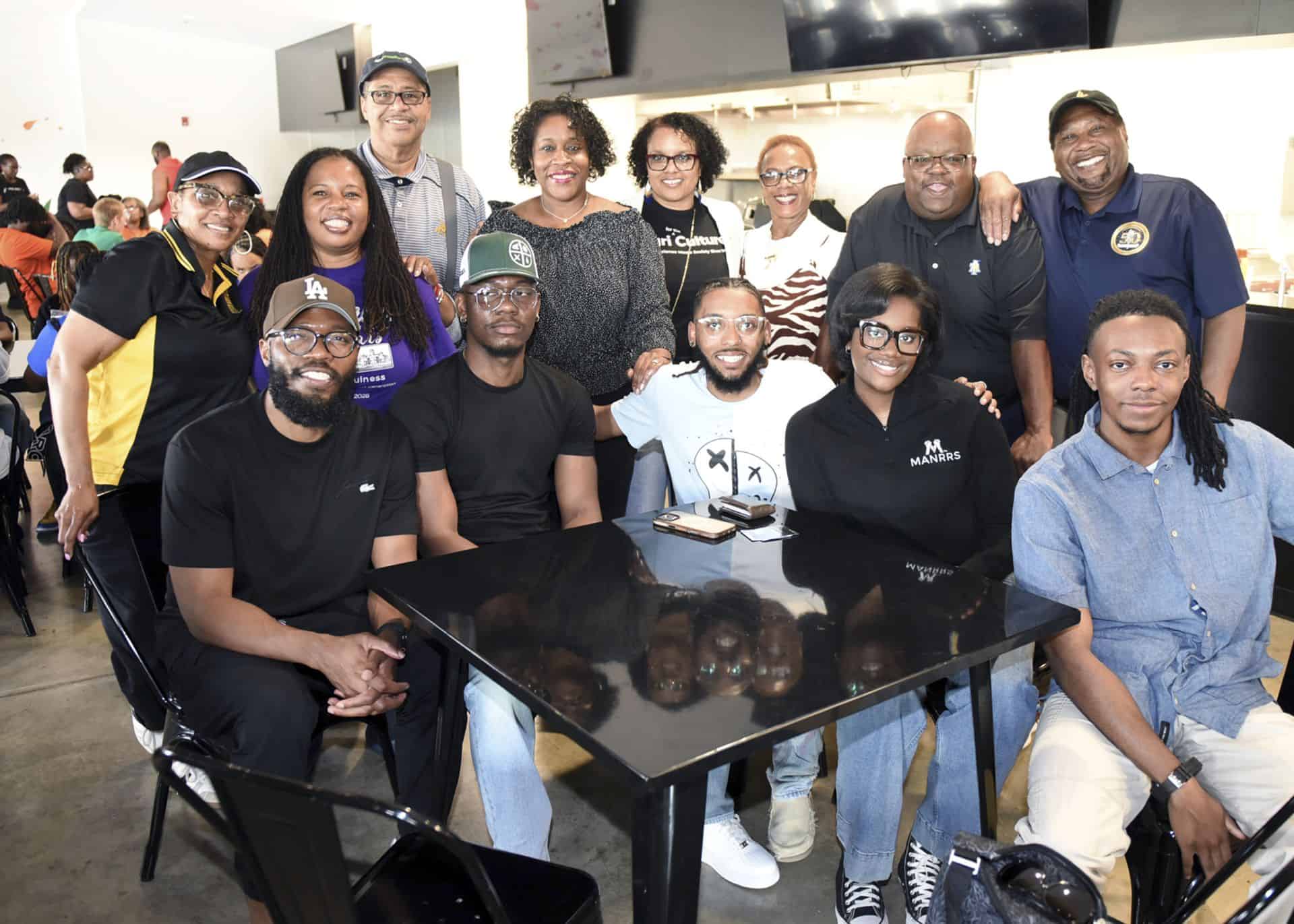
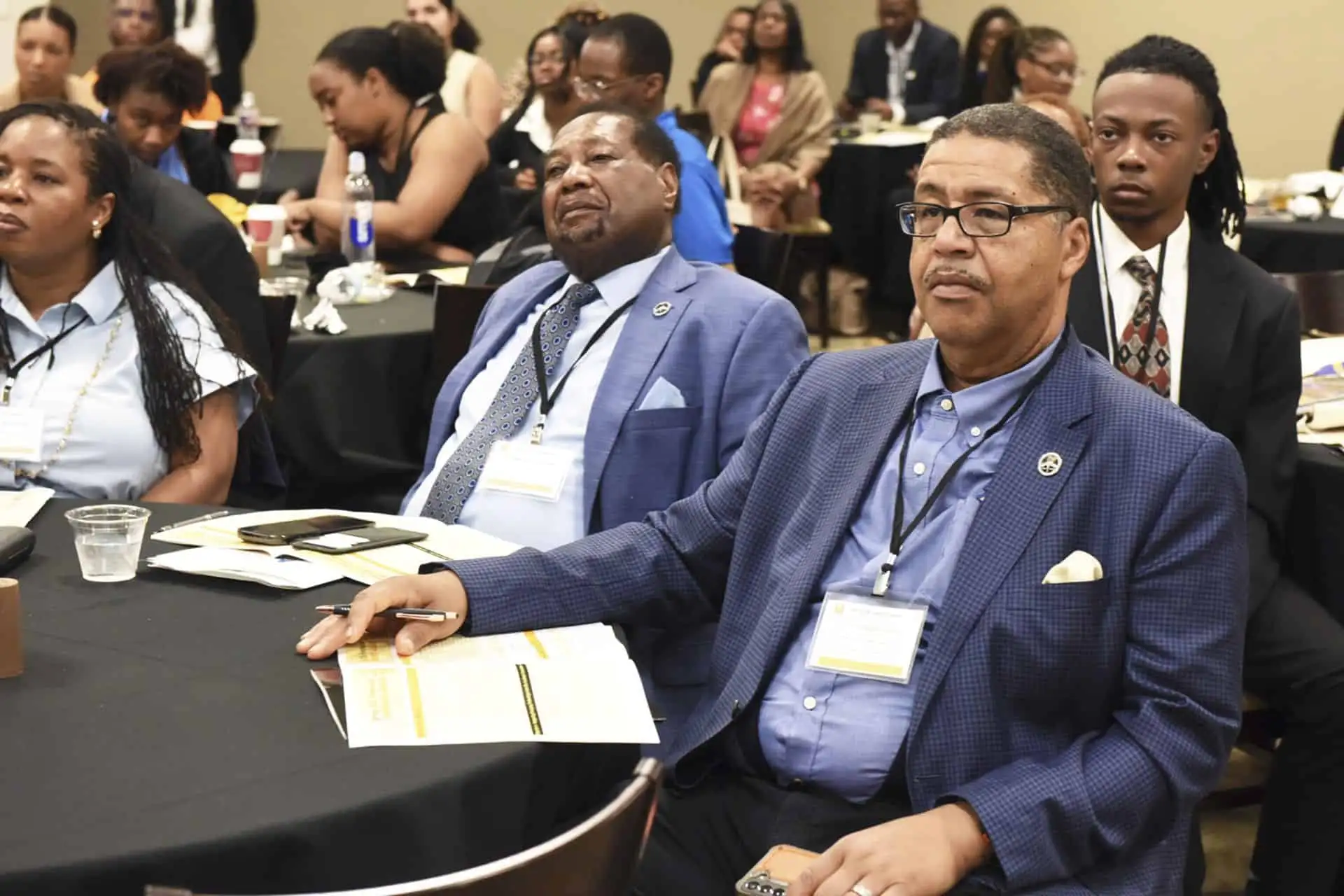
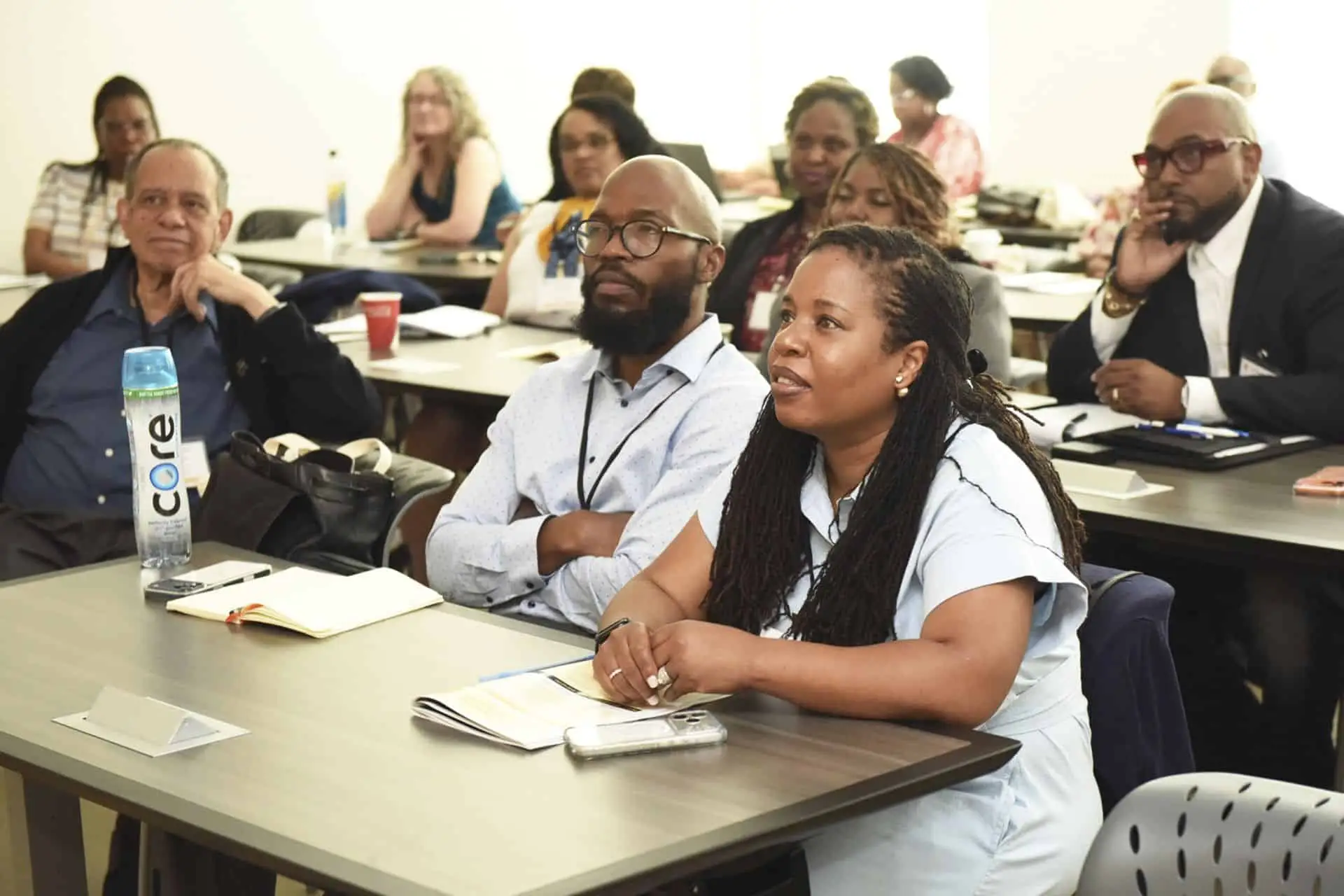
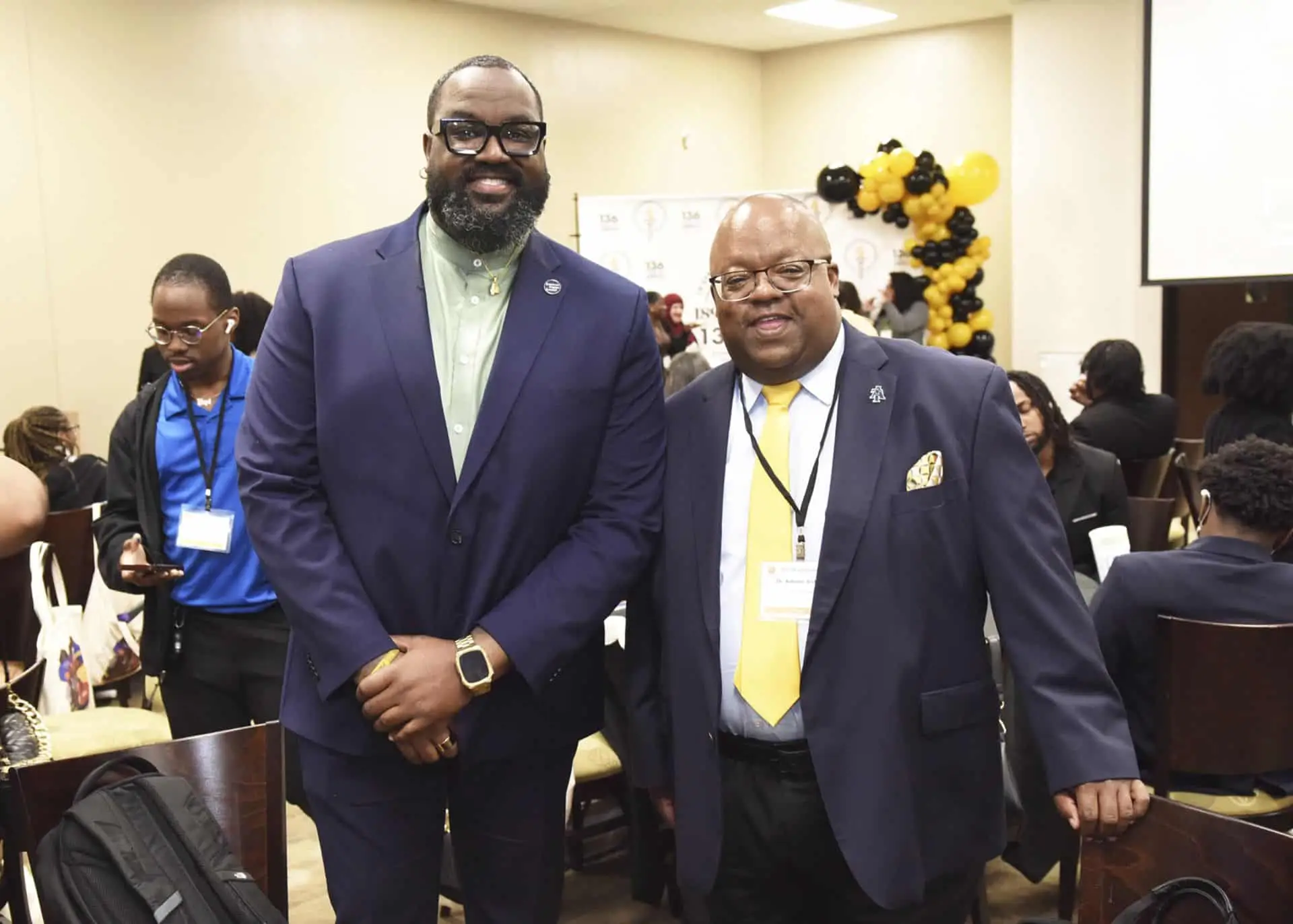
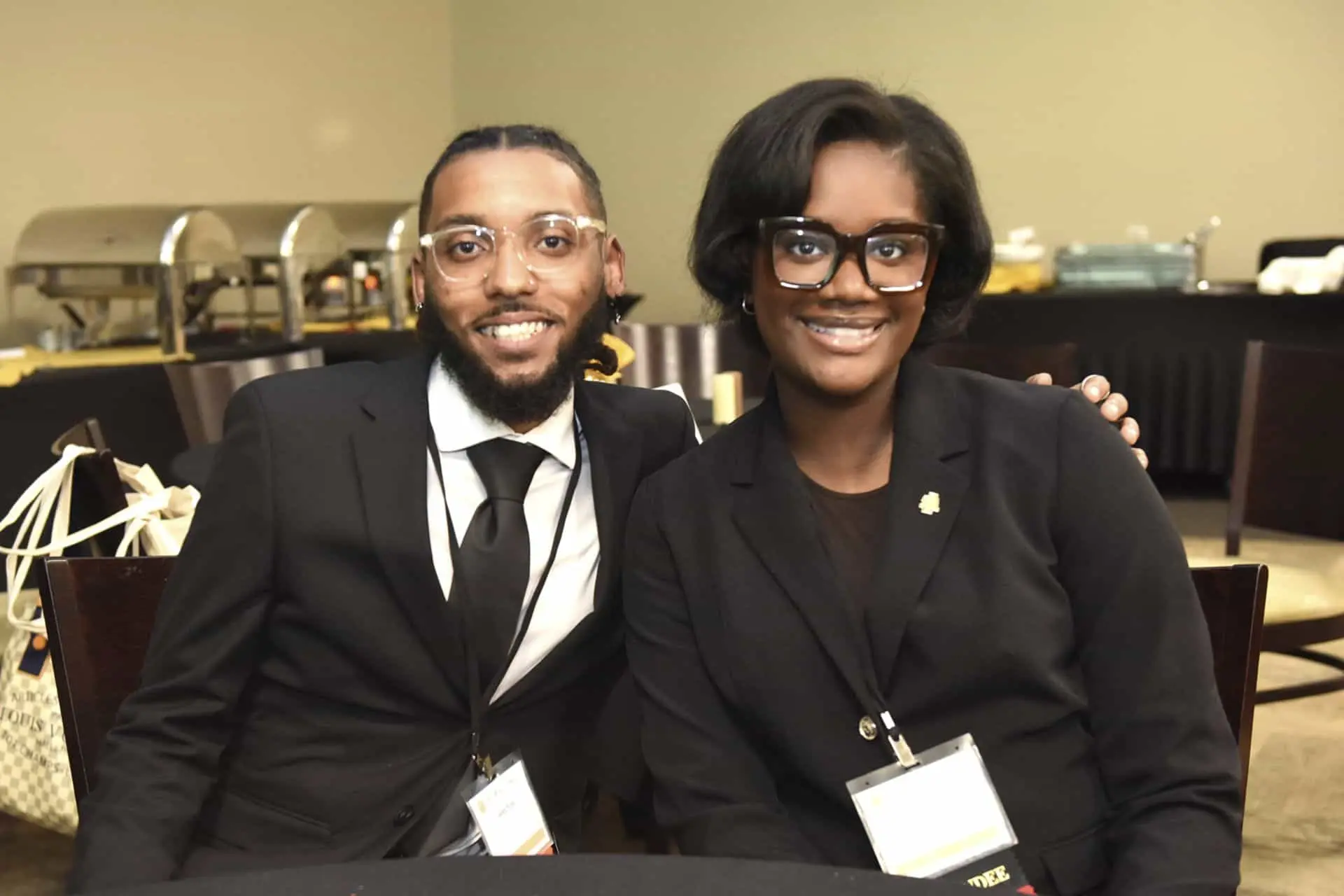
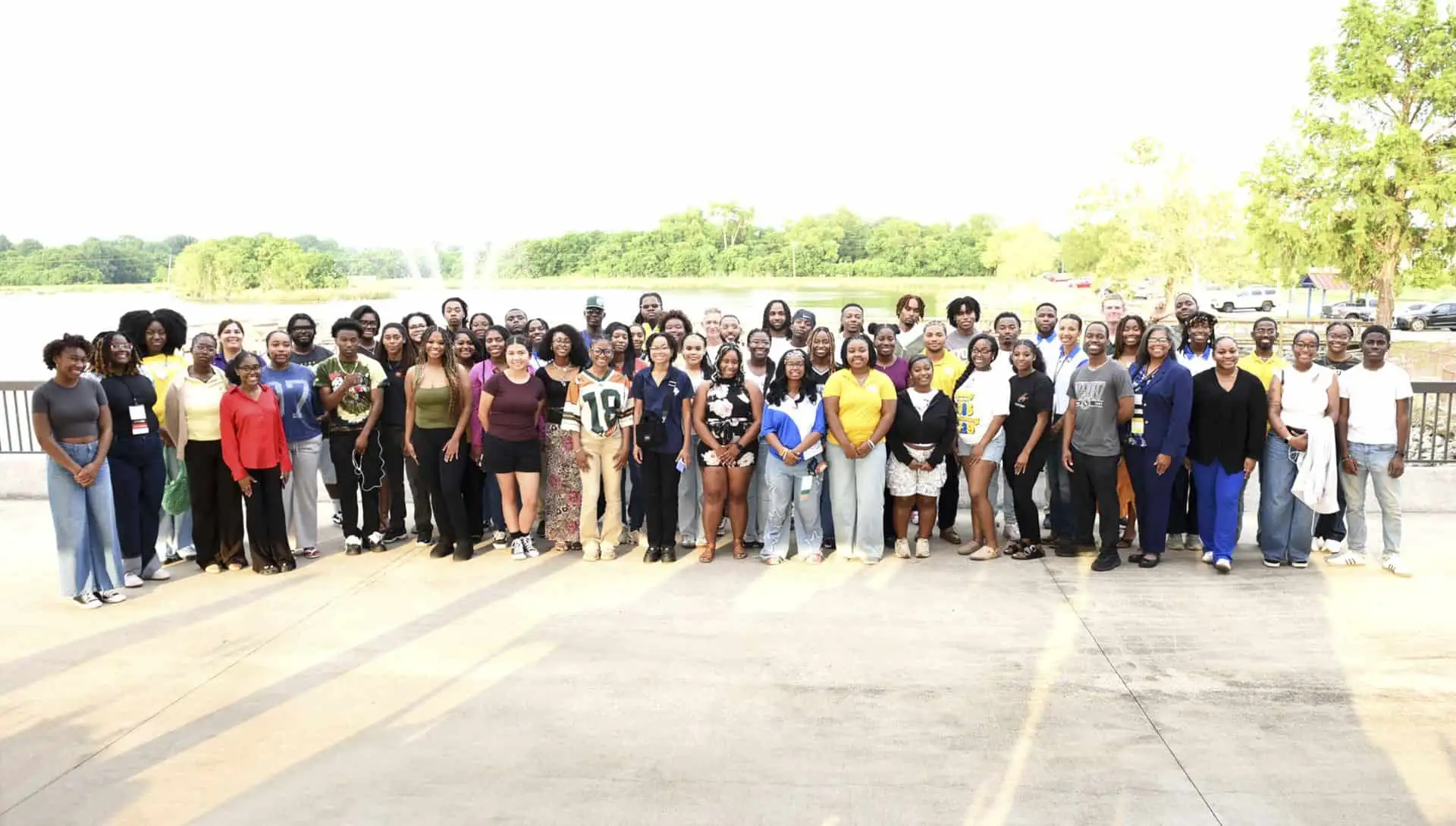
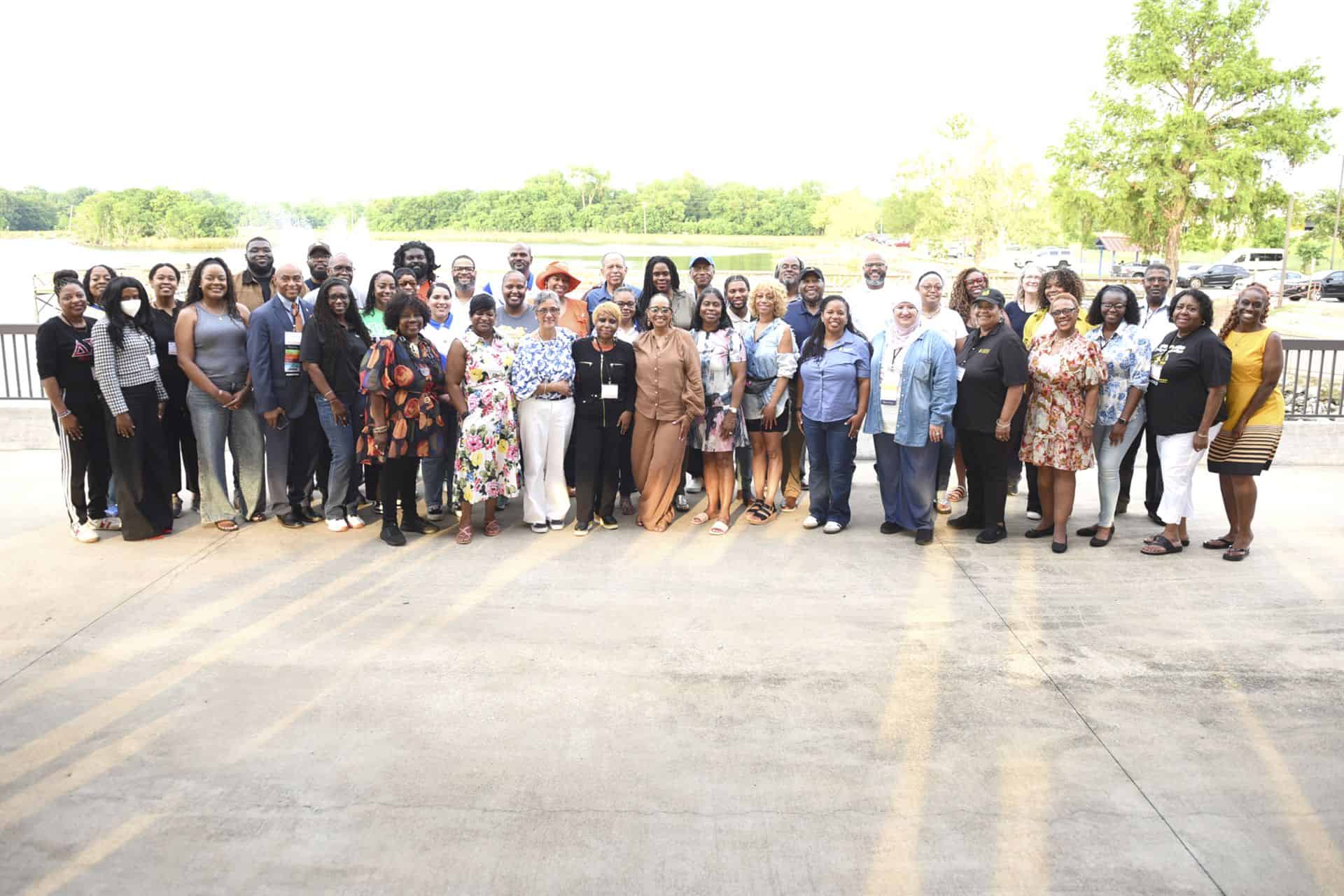
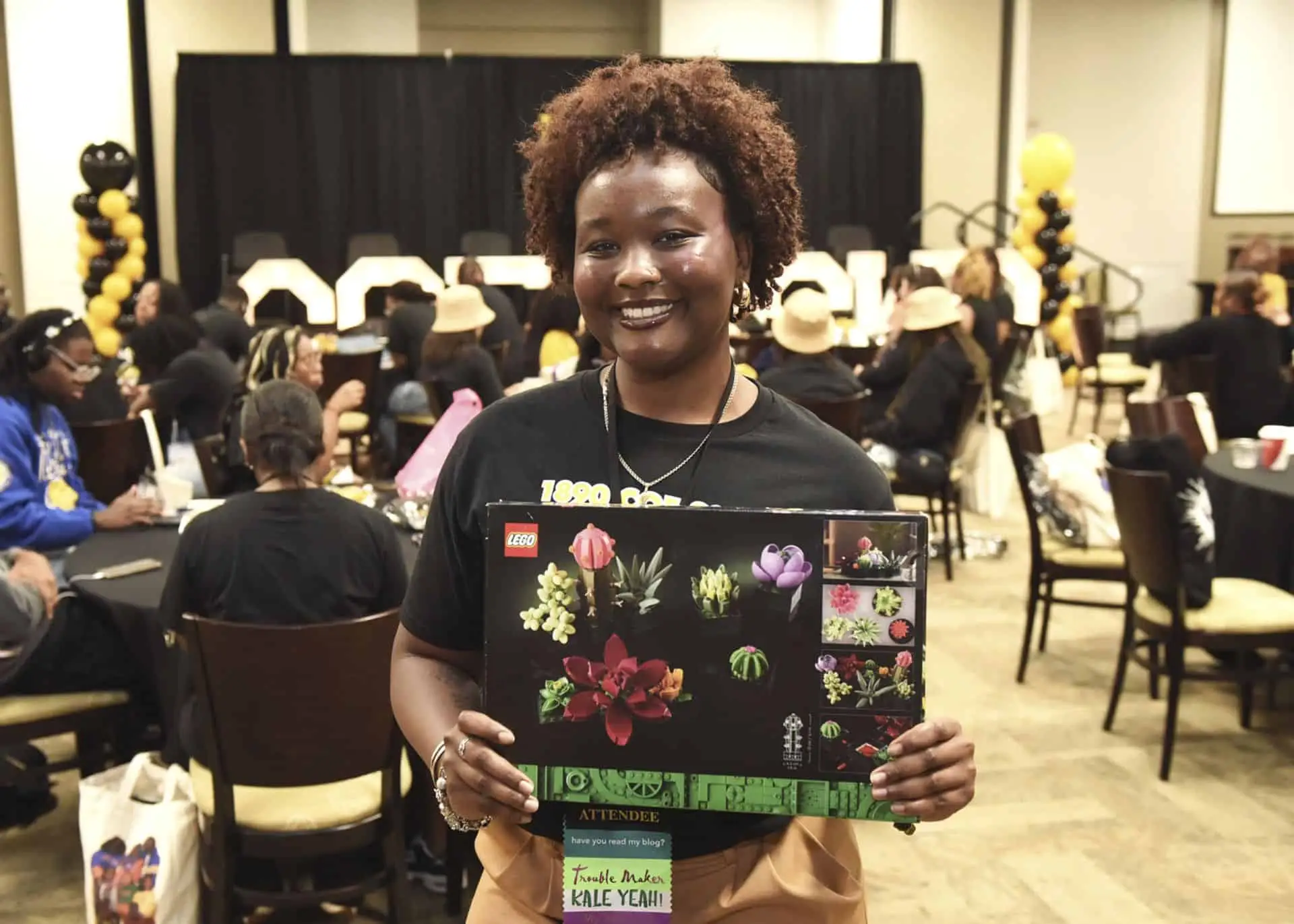
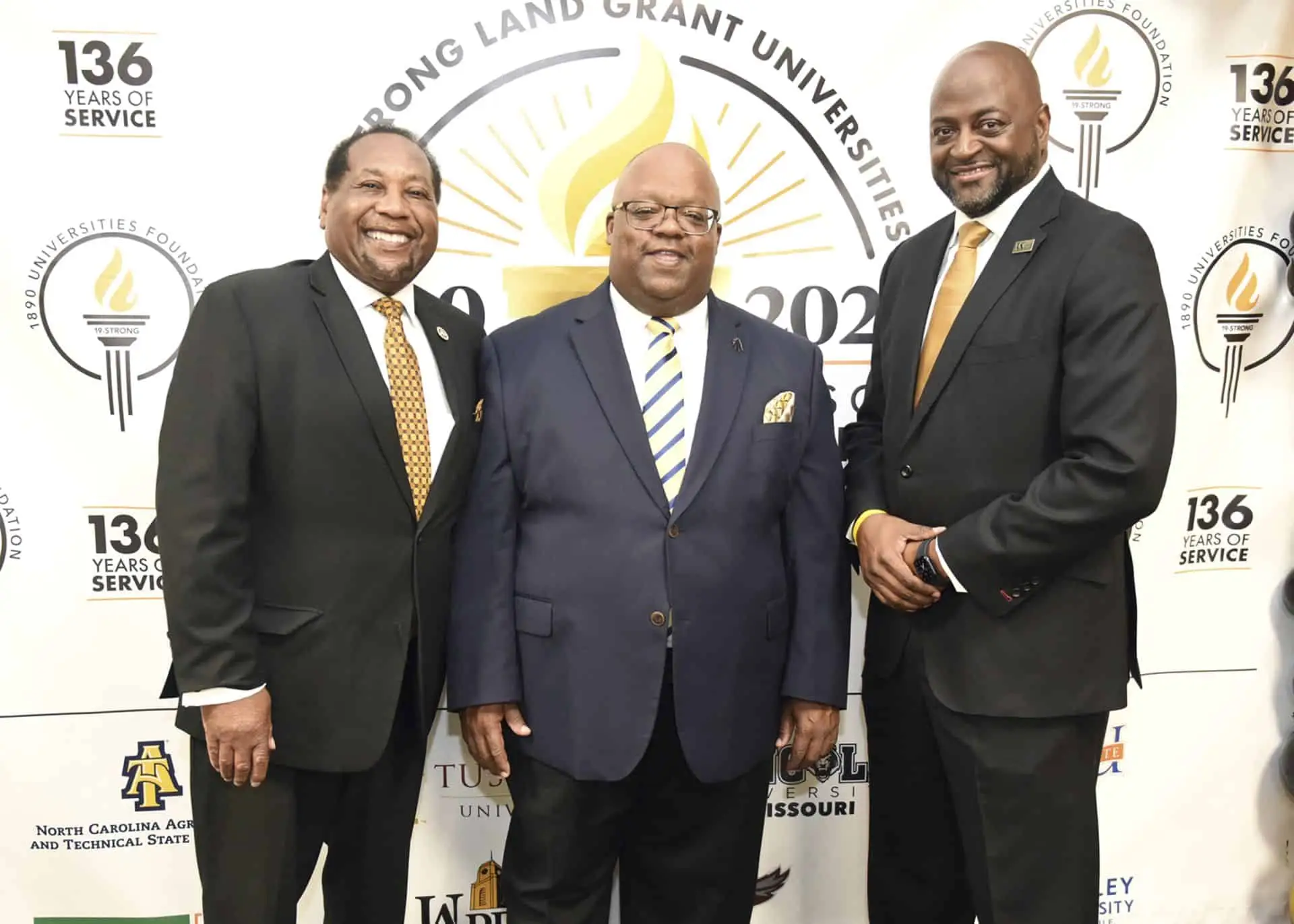
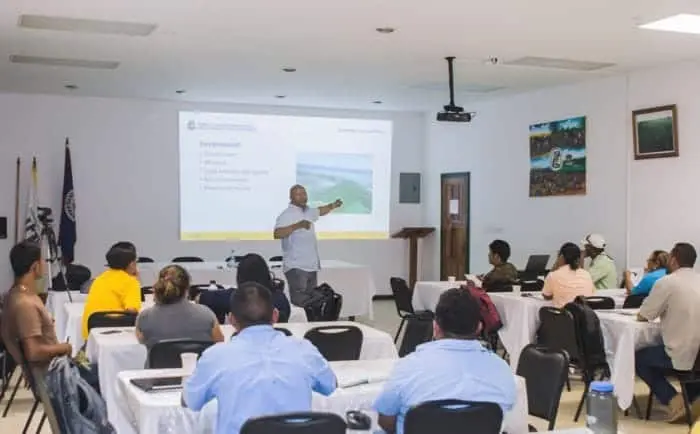
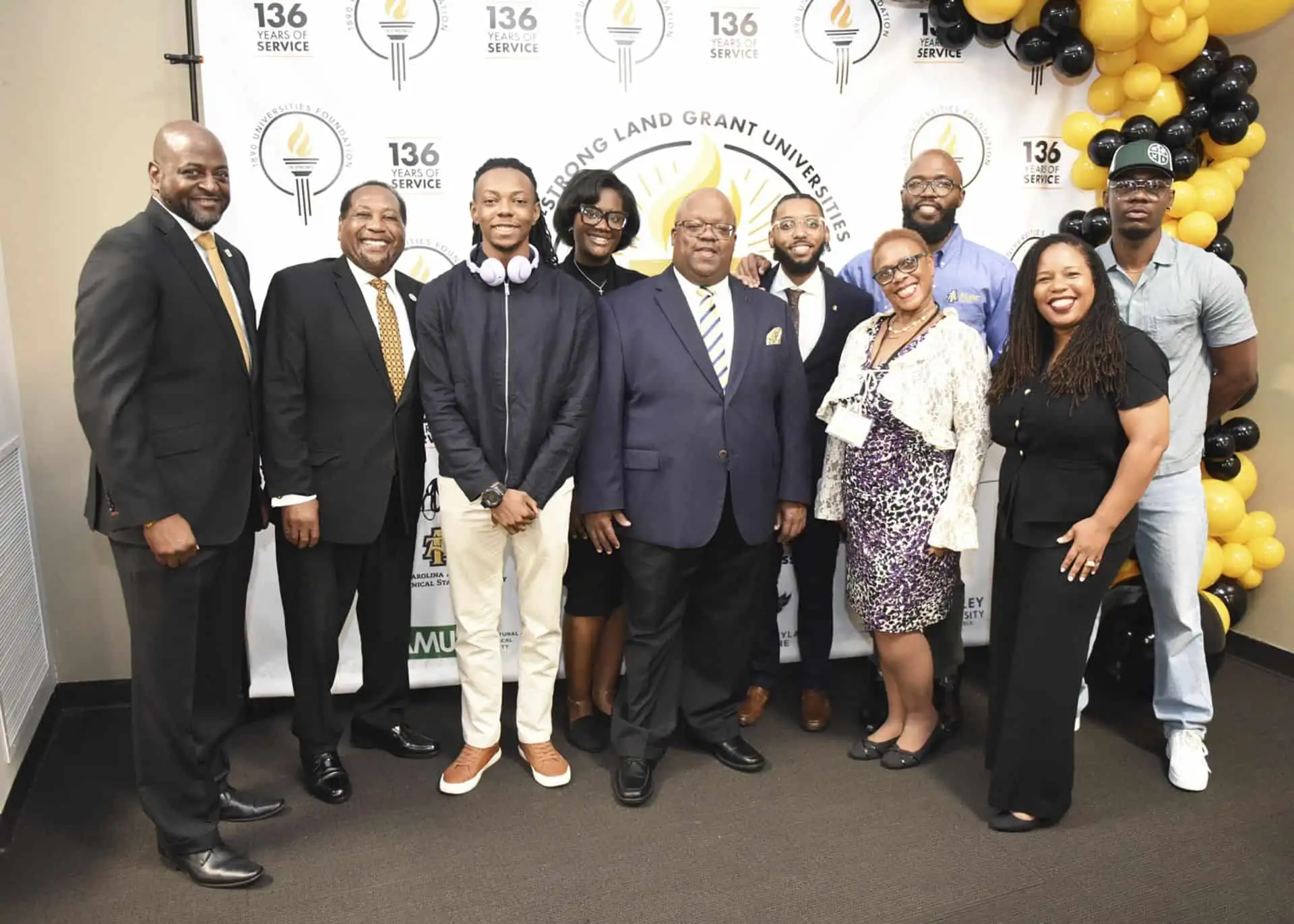
The University of Arkansas at Pine Bluff’s School of Agriculture, Fisheries and Human Sciences (SAFHS) hosted the 2026 1890 Center of Excellence Student Success and Workforce Development Symposium from May 17-20.
Centered on the theme, “Enhancing, Advancing and Promoting Academic Excellence, Student Success and Workforce Development at 1890 Land-Grant Institutions,” the symposium featured workshops, presentations, networking opportunities and collaborative activities designed to equip students with leadership, professional and financial literacy skills.
Nina Lyon-Bennett, Ph.D., assistant dean for academics and symposium facilitator, said the event was designed to create a meaningful experience for attendees.
“It was impactful, meaningful and not just another gathering,” Bennett said. “Each session had purpose and meaning. The goal of bringing together faculty, students, community partners and workforce stakeholders for four days was achieved.”
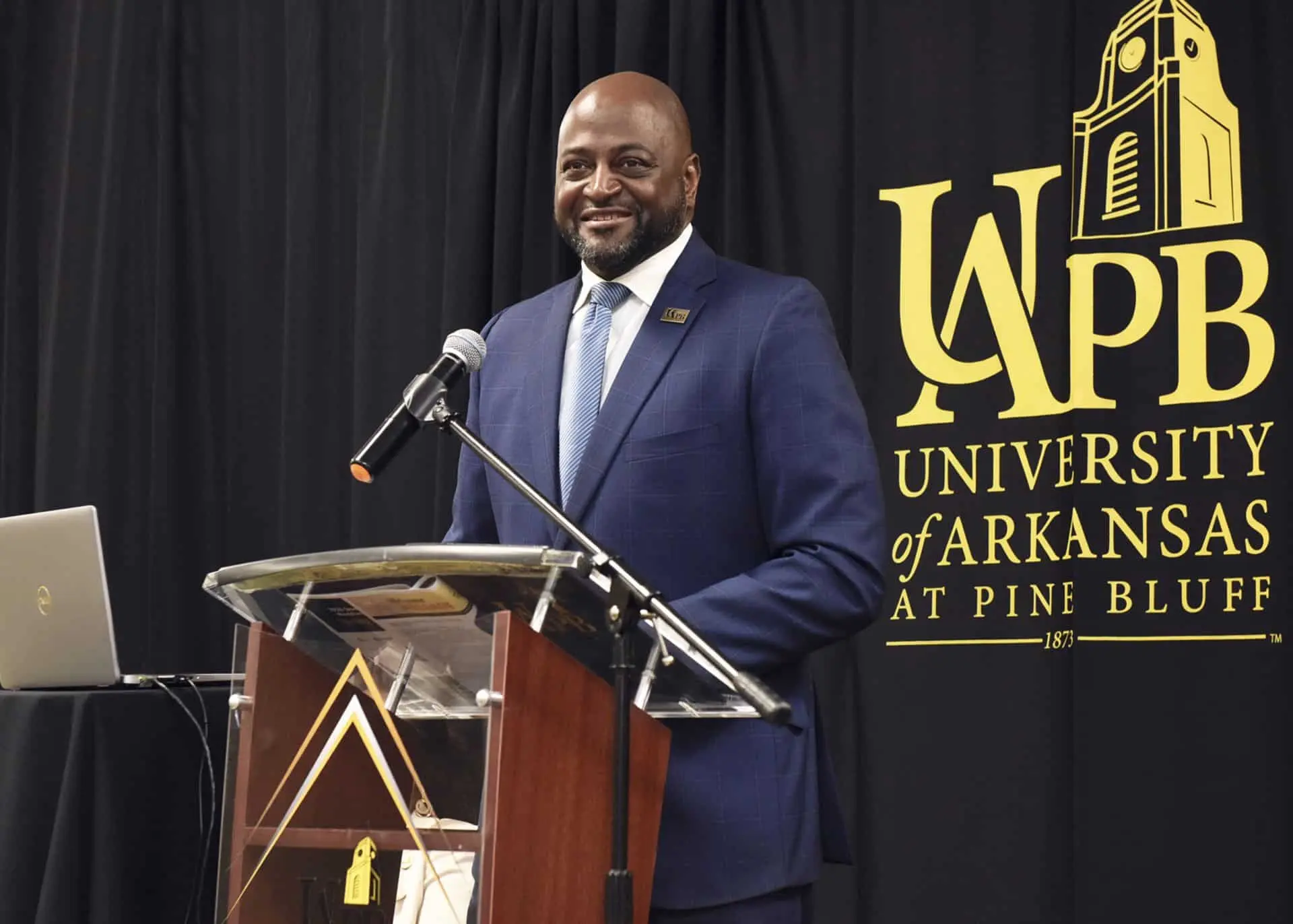
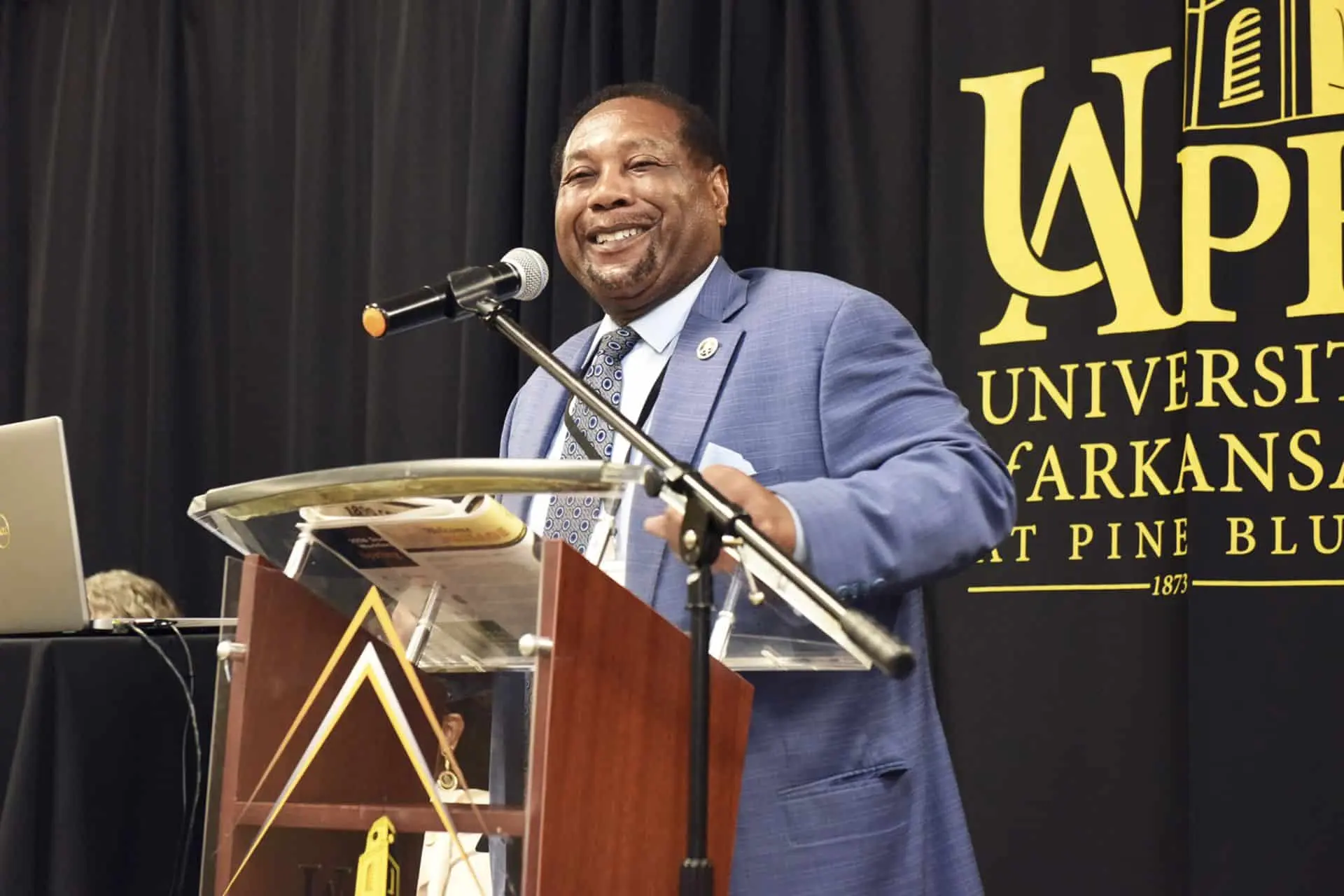
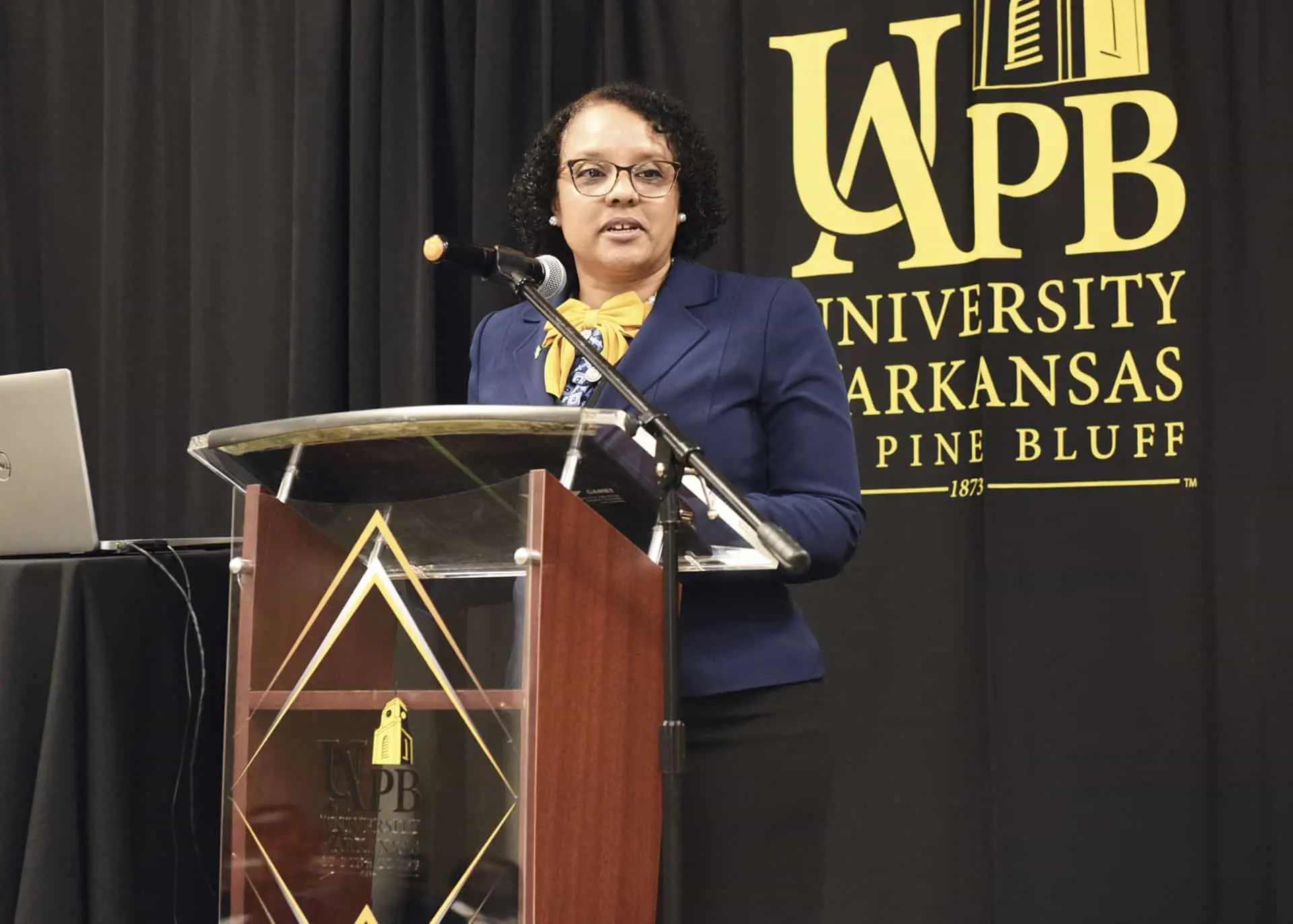
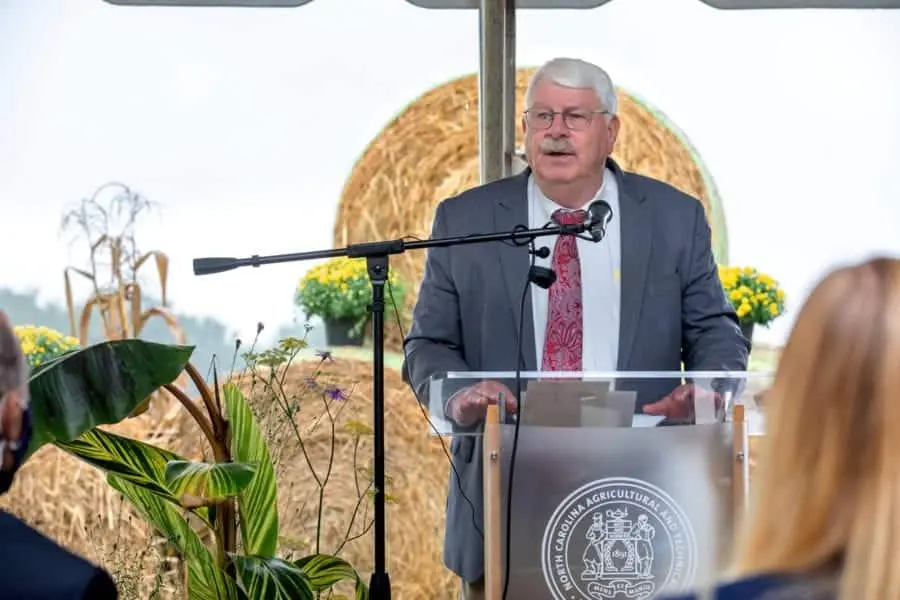
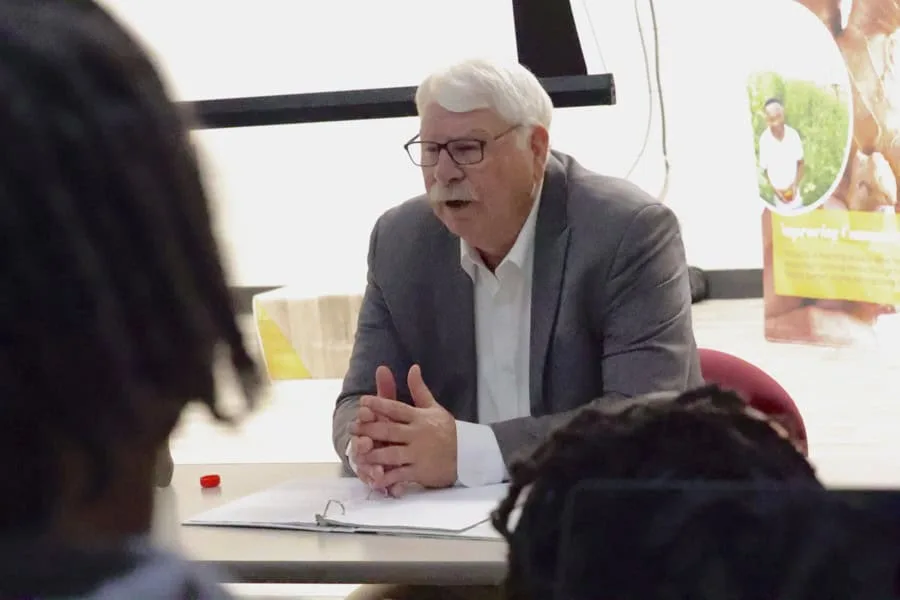
Throughout the symposium, attendees heard from university leaders, administrators and professionals representing various 1890 land-grant institutions.
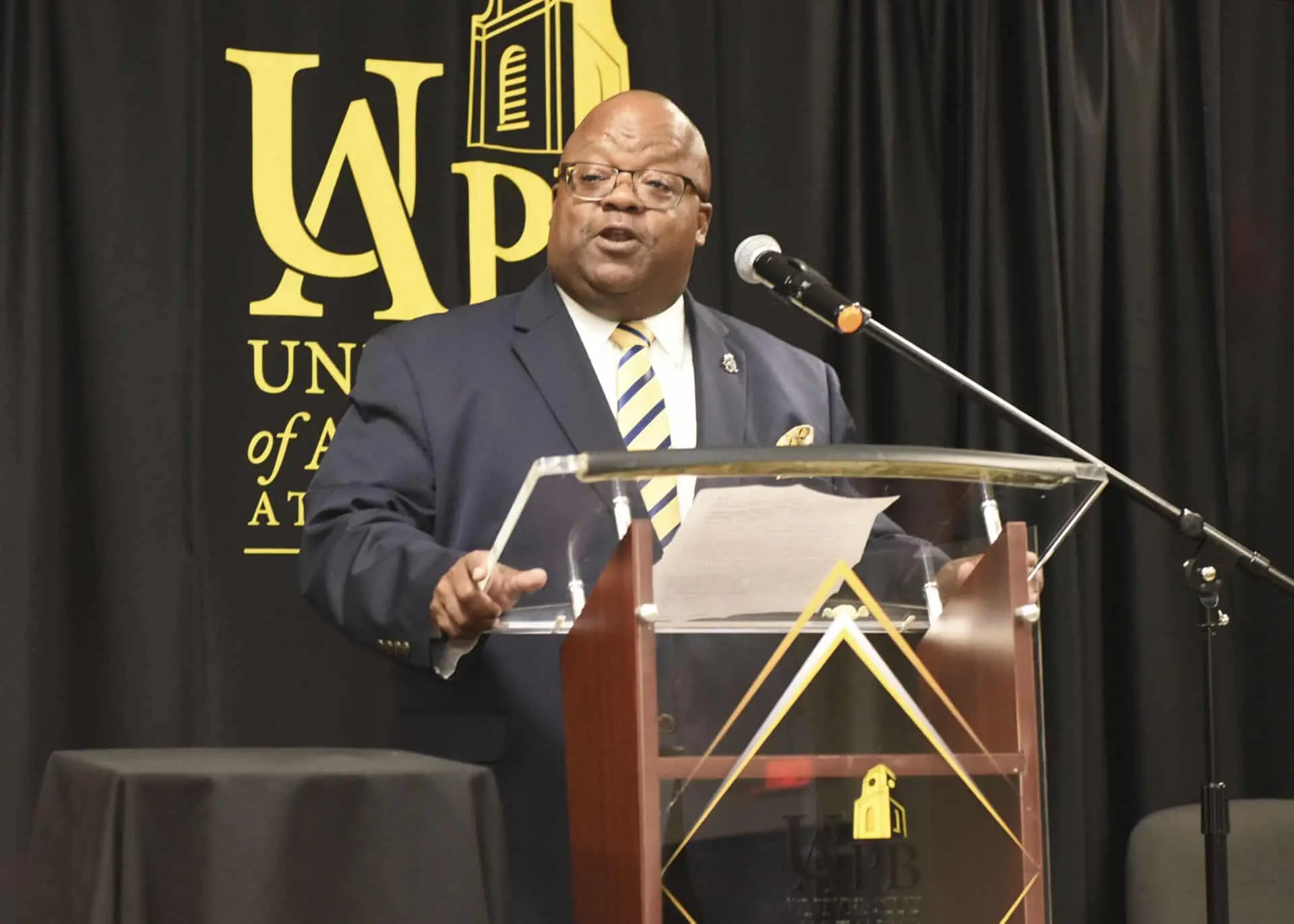
Among the featured speakers was Frank D. Dorsey II, dean of student involvement and leadership at UAPB, who presented a session titled, “How to Lead When You Are Not in Charge.”
“My session focused on the idea that leadership development is a journey, not a title,” Dorsey said. “Every role, responsibility and experience contributes to our growth if we are willing to learn from it. What encouraged me most was the level of engagement from participants and their commitment to serving their institutions and communities.”
Students also participated in experiential learning opportunities through tours of the UAPB Farm/Fish Farm, ponds and laboratories; the Lonoke Farm in Lonoke, Arkansas; and P.J. Haynie’s Rice Mill.
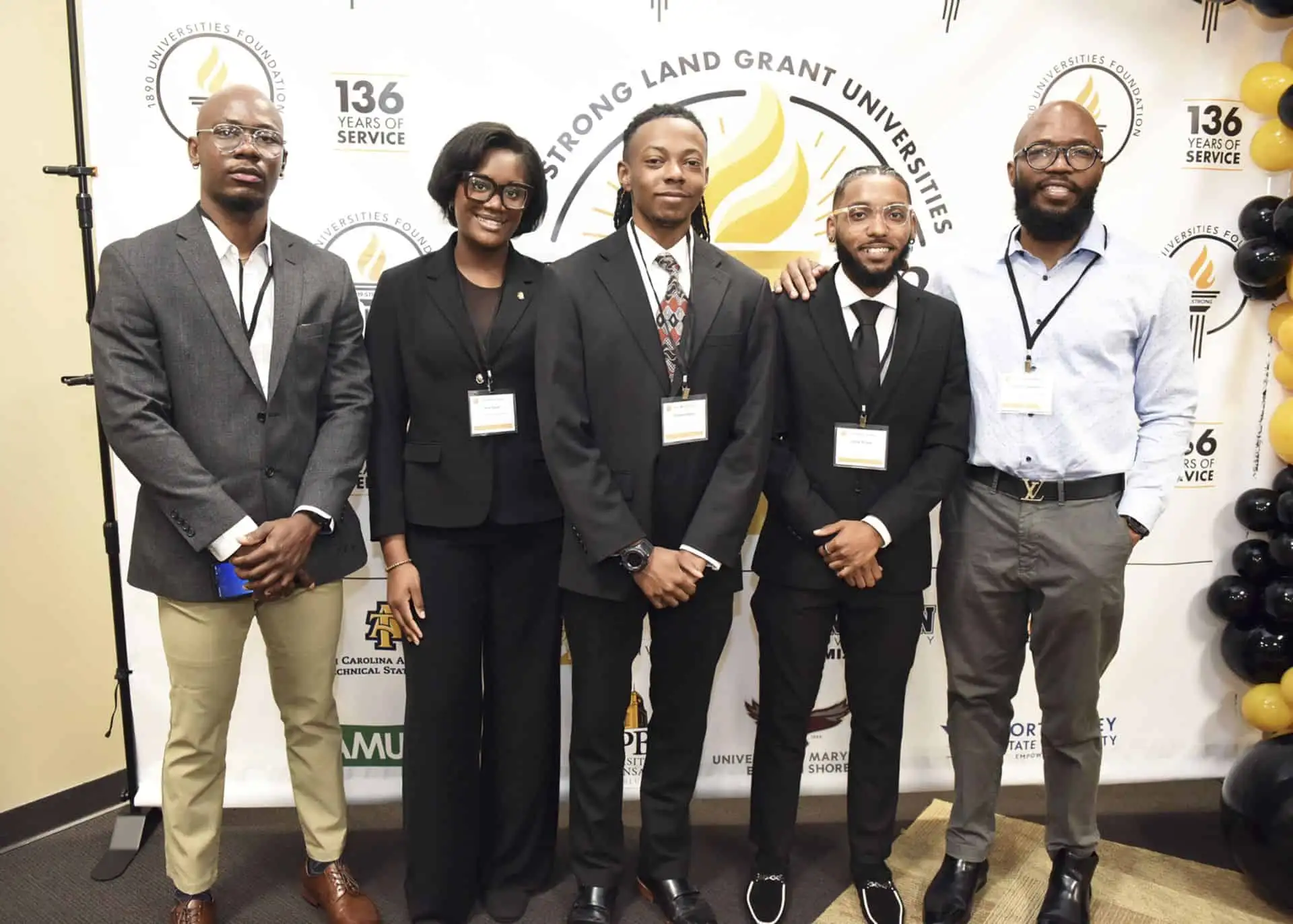
The symposium concluded Wednesday, May 20, with a competitive student case study challenge. Teams were tasked with analyzing issues related to housing and food insecurity at historically Black colleges and universities and developing evidence-based solutions.
During seven-minute presentations, students presented strategies to improve housing access and food security for HBCU students. The winning team included Samuel Quarmyne of North Carolina A&T State University; Kennedy Baker of Florida A&M University; Bryson Porter of Alcorn State University; Bre’Anne Brown of Tuskegee University; Seniya Cooke of Prairie View A&M University; Kenya Johnson of Lincoln University; Heaven Ware of Central State University; and Diamon Reynolds of Virginia State University.
Tamera Ford, a member of the symposium planning committee, said the event surpassed expectations and demonstrated the value of collaboration among 1890 institutions.
“The symposium exceeded our expectations,” Ford said. “The overwhelmingly positive feedback we received from students, faculty and guests affirmed the purpose of the symposium. Seeing months of planning come together and witnessing the impact the symposium had on students made every challenge worthwhile.”
Headquartered at N.C. A&T within the College of Agriculture and Environmental Sciences, the center focuses on supporting youth interested in careers in the FANH (food, agriculture, nutrition and health) and STEM (science, technology, engineering and math) sciences. The center opened in 2020.