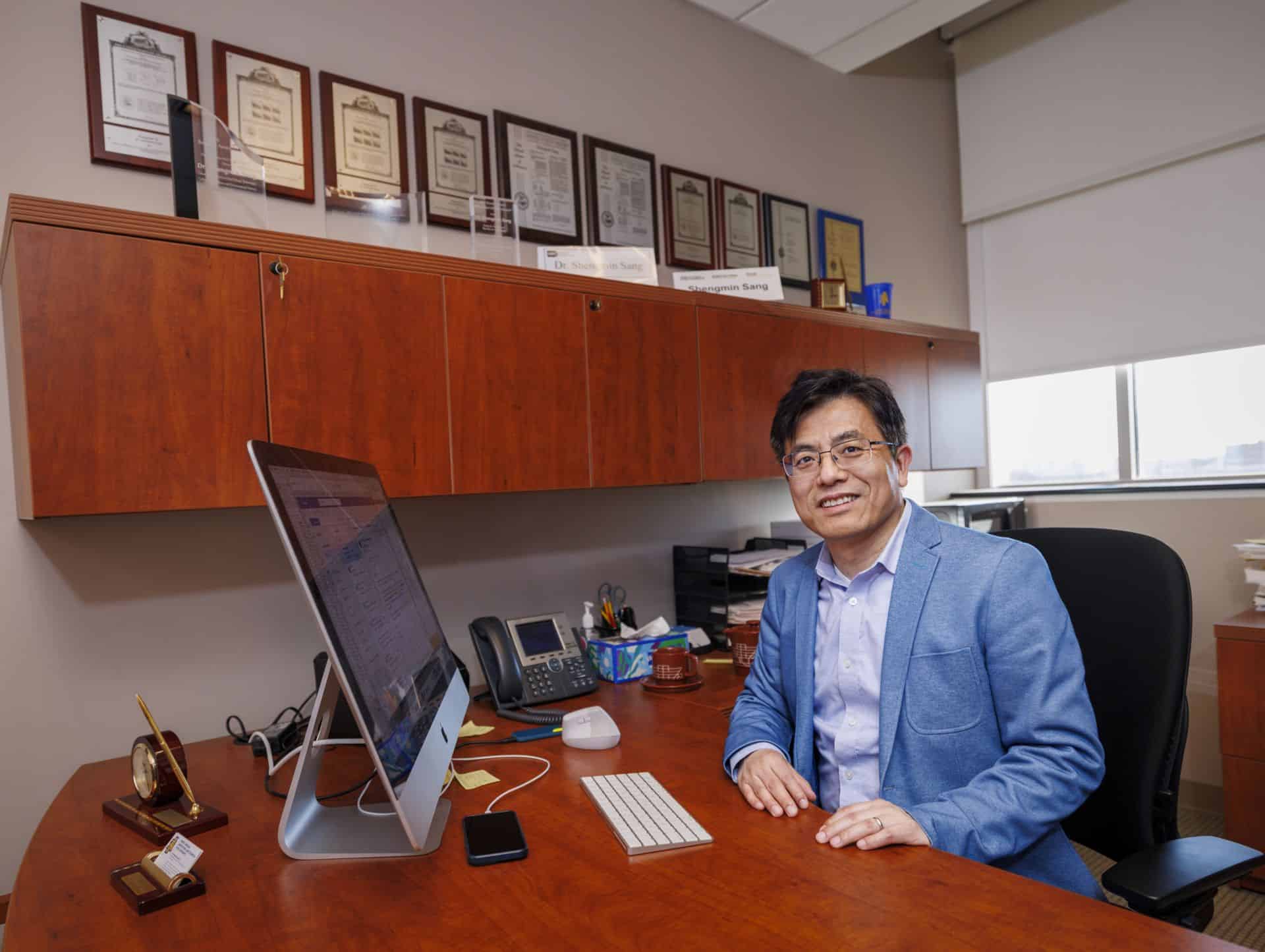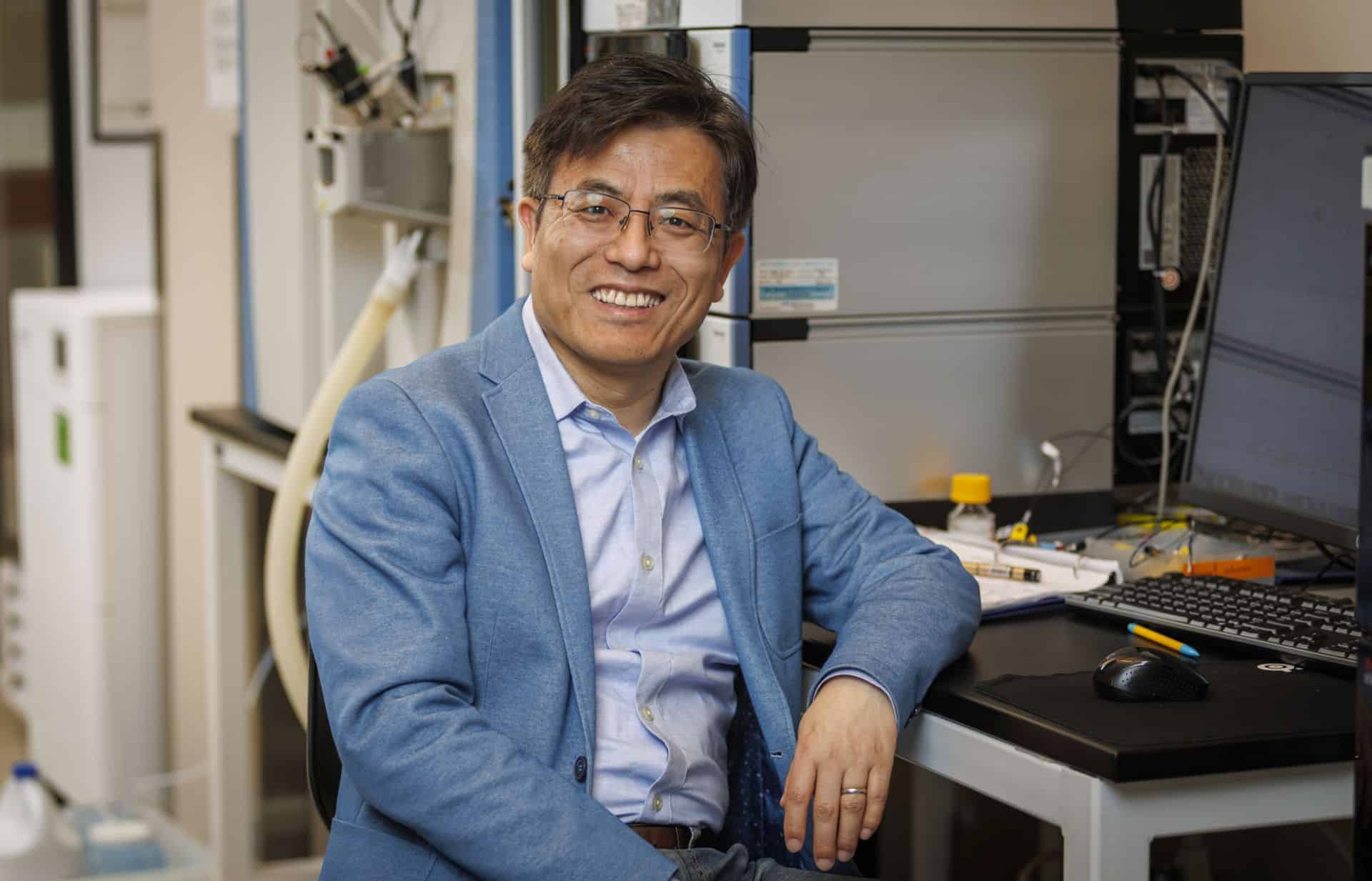
Shengmin Sang, Ph.D.
The new study aims to determine whether ginger improves breathing in patients with asthma by measuring how well their airways respond to an inhaled substance (methacholine). The work will also track asthma symptoms in clinical-trial participants; measure lung inflammation markers, such as nitric oxide, white blood cells that fight infections, and inflammatory proteins; track fatty acids linked to inflammation; and study how the body processes ginger and breaks it down.
The grant, which includes co-funding from the NIH’s Office of Dietary Supplements, builds on previous research conducted by Shengmin Sang, Ph.D., N.C. A&T distinguished professor of functional foods and human health; and Charles W. Emala, M.D., and Emily DiMango, M.D., the lead principal investigators at Columbia.
"Ginger has a long history of use as both a food and a traditional remedy, but rigorous clinical studies are needed to determine whether and how it can benefit people with asthma," Sang said. "Our goal is to connect the chemistry of ginger with what happens in the human body and ultimately determine whether these findings can be translated into practical approaches to improve health."
In the team’s previous study, asthma sufferers received 1 gram of ginger or a placebo twice daily. The researchers concluded the dosage was safe, improved asthma symptoms and inflammation markers in the blood, and that ginger compounds were successfully absorbed and used.
"Our previous clinical study showed that bioactive compounds from ginger and their metabolites can be detected in the blood after taking oral ginger supplements, and we observed encouraging changes in asthma symptoms and inflammatory biomarkers," said Sang. "The new study will allow us to confirm those findings, examine dose response, and better understand which ginger compounds and metabolites (substances created from breaking down and processing ginger) may be associated with the biological effects."
Sang's laboratory will receive $284,191 to analyze the ginger supplement used in an upcoming trial, identify the active compounds in ginger, track how the body processes and uses these compounds, and measure how much ginger gets absorbed into the bloodstream. These chemical measurements, along with patient results, will help the team identify the best ginger dose to use, how the body responds to different dosages, and whether to move forward with a larger efficacy trial.
Sang's research on ginger spans more than two decades, and he has collaborated with Emala on funded ginger studies since 2018. The work is part of his lab’s broader focus on food as medicine, which identifies components in food to support nutritional approaches to disease prevention and good health.
Research reported in this announcement is supported by the National Center for Complementary and Integrative Health (NCCIH) and the Office of Dietary Supplements (ODS) of the National Institutes of Health under Award Number R33AT012627. The content is solely the responsibility of the authors and does not necessarily represent the official views of NCCIH, ODS, or NIH.